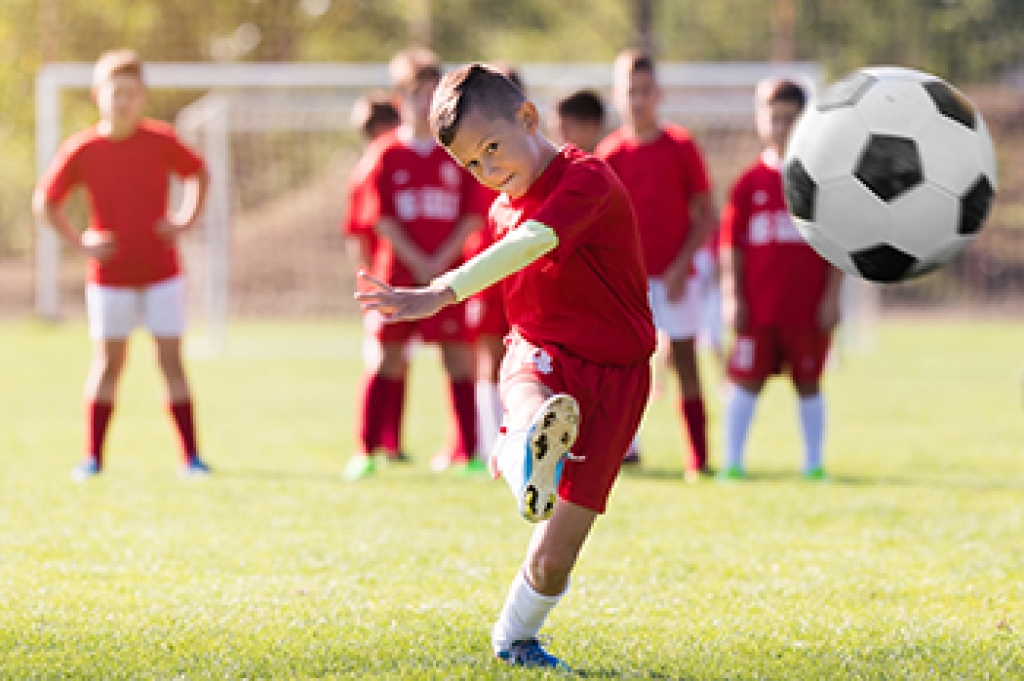
Have your feet inspected by a professional before starting a new sport or physical activity. Taking charge of your foot health will keep you in good physical condition and can help you avoid a potential injury, such as a fracture or sprained ankle.
Heel pain is one of the most frequent complaints in young soccer players, often linked to the growth plate in the heel bone. This area, called the calcaneal apophysis, is soft and more vulnerable to stress during growth. When leg bones lengthen faster than the heel bone, extra tension develops, sometimes leading to inflammation known as calcaneal apophysitis, or Sever’s disease. Symptoms usually include throbbing or aching pain at the back of the heel, which may worsen with running, jumping, or wearing certain cleated shoes. Turf cleats generally provide better cushioning and reduce strain compared to grass cleats, which can put extra stress on the heel. A podiatrist can evaluate the cause of heel pain, recommend proper footwear, and provide treatment options that allow young athletes to remain active safely. If your child exhibits signs of heel pain after sports activities, it is suggested that you schedule an appointment with a podiatrist for an exam and appropriate treatment.
Sever's disease often occurs in children and teens. If your child is experiencing foot or ankle pain, see Cary Golub, DPM from New York. Our doctor can treat your child’s foot and ankle needs.
Sever’s Disease
Sever’s disease is also known as calcaneal apophysitis, which is a medical condition that causes heel pain I none or both feet. The disease is known to affect children between the ages of 8 and 14.
Sever’s disease occurs when part of the child’s heel known as the growth plate (calcaneal epiphysis) is attached to the Achilles tendon. This area can suffer injury when the muscles and tendons of the growing foot do not keep pace with bone growth. Therefore, the constant pain which one experiences at the back of the heel will make the child unable to put any weight on the heel. The child is then forced to walk on their toes.
Symptoms
Acute pain – Pain associated with Sever’s disease is usually felt in the heel when the child engages in physical activity such as walking, jumping and or running.
Highly active – Children who are very active are among the most susceptible in experiencing Sever’s disease, because of the stress and tension placed on their feet.
If you have any questions, please feel free to contact our offices located in Williston Park,and Long Beach, NY. We offer the newest diagnostic and treatment technologies for all your foot care needs.
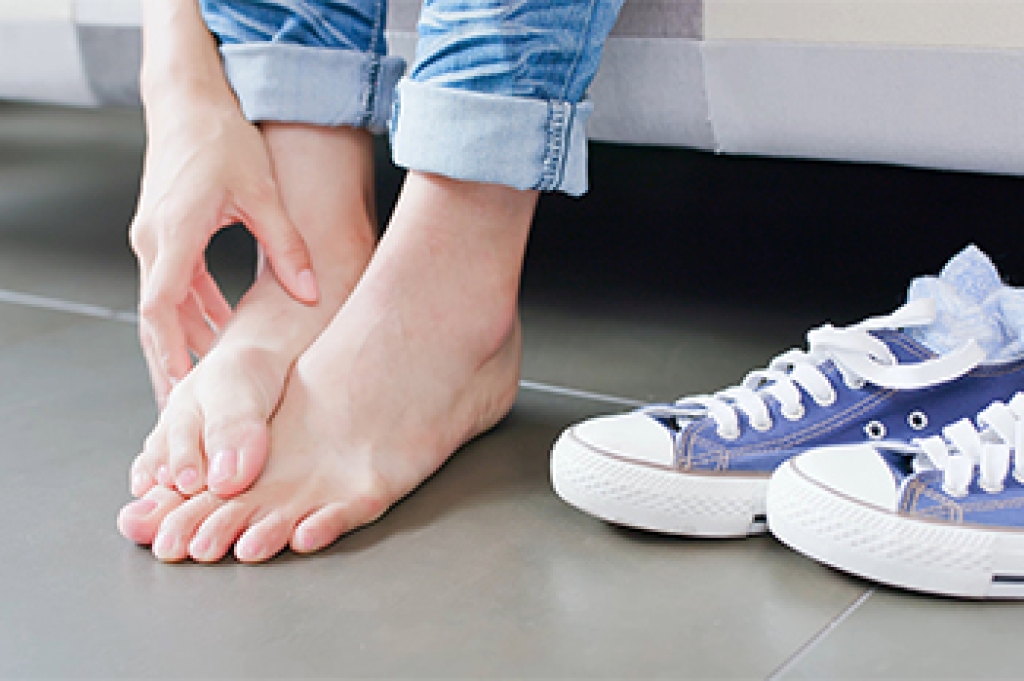
Athlete’s foot is a fungal infection that affects the skin on the feet, and usually occurs in three varieties called interdigital, moccasin, and vesicular. Interdigital athlete’s foot typically appears between the toes, causing itching, redness, peeling, and sometimes cracking or bleeding skin. Moccasin athlete’s foot affects the soles and sides of the feet, leading to dry, scaly, and thickened skin. Vesicular athlete’s foot is characterized by small, itchy blisters that may appear on the soles or insteps. Causes include walking barefoot in moist, communal areas, wearing damp socks, and poor foot hygiene. The infection can feel itchy, burning, or uncomfortable, and the affected skin may appear red, flaky, or cracked. A podiatrist can diagnose athlete’s foot through a physical examination and skin scrapings, if needed. Treatment may include antifungal creams, oral medications, and advice on prevention. To address symptoms effectively, it is suggested that you schedule an appointment with a podiatrist who can effectively treat athlete's foot.
Athlete’s Foot
Athlete’s foot is often an uncomfortable condition to experience. Thankfully, podiatrists specialize in treating athlete’s foot and offer the best treatment options. If you have any questions about athlete’s foot, consult with Cary Golub, DPM from New York. Our doctor will assess your condition and provide you with quality treatment.
What Is Athlete’s Foot?
Tinea pedis, more commonly known as athlete’s foot, is a non-serious and common fungal infection of the foot. Athlete’s foot is contagious and can be contracted by touching someone who has it or infected surfaces. The most common places contaminated by it are public showers, locker rooms, and swimming pools. Once contracted, it grows on feet that are left inside moist, dark, and warm shoes and socks.
Prevention
The most effective ways to prevent athlete’s foot include:
Thoroughly washing and drying feet
Avoid going barefoot in locker rooms and public showers
Using shower shoes in public showers
Wearing socks that allow the feet to breathe
Changing socks and shoes frequently if you sweat a lot
Symptoms
Athlete’s foot initially occurs as a rash between the toes. However, if left undiagnosed, it can spread to the sides and bottom of the feet, toenails, and if touched by hand, the hands themselves. Symptoms include:
Redness
Burning
Itching
Scaly and peeling skin
Diagnosis and Treatment
Diagnosis is quick and easy. Skin samples will be taken and either viewed under a microscope or sent to a lab for testing. Sometimes, a podiatrist can diagnose it based on simply looking at it. Once confirmed, treatment options include oral and topical antifungal medications.
If you have any questions, please feel free to contact our offices located in Williston Park,and Long Beach, NY. We offer the newest diagnostic and treatment technologies for all your foot care needs.
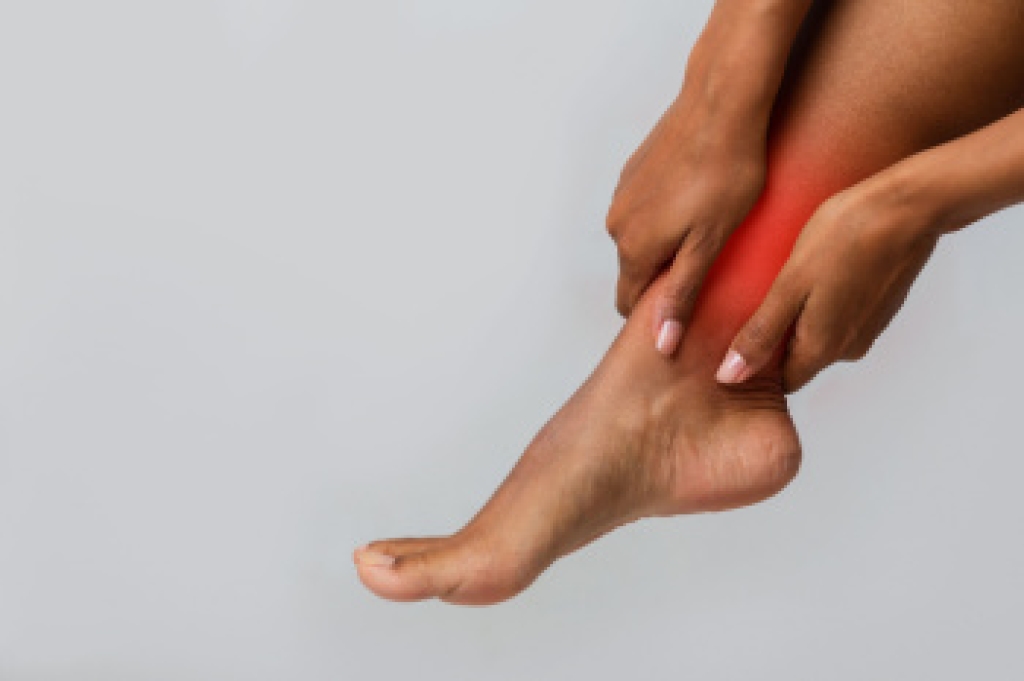
Ankle pain can occur from instability, injuries, or repeated stress that weakens the joint. While rest is important, staying active with low impact cardio helps maintain strength and circulation without placing excessive strain on the ankle. Swimming supports the body in water while easing pressure on the joint. Cycling allows smooth movement that improves range of motion, and yoga builds flexibility and balance. Even controlled dynamic exercises or high intensity training can gradually restore power with reduced impact. A podiatrist can guide safe exercise choices, provide rehabilitation strategies, and create a recovery plan that prevents re-injury. If you have ankle pain, it is suggested that you schedule an appointment with a podiatrist who can offer you effective treatment and exercise solutions.
You should always make sure your running shoes fit properly in order to avoid injury. For more information, contact Cary Golub, DPM from New York. Our doctor can provide the care you need to keep you pain-free and on your feet.
Choosing the Right Running Shoe for Your Foot Type
Improper shoe sizing can cause a myriad of problems for your feet. Shoes that don’t fit you properly can lead to muscular imbalances in your body, which can result in foot, knee, and hip injuries.
Tips for Finding the Right Running Shoe
Make sure you have a thumb’s width of wiggle room between the end of your longest toe and the front of the shoe.
There should be little to no slipping at the heel
Don’t assume your size in one shoe brand will be your size in another
Do not lace up your shoes too tightly
Walk around in the store with your new shoes before you buy them
If you have any questions, please feel free to contact our offices located in Williston Park,and Long Beach, NY. We offer the newest diagnostic and treatment technologies for all your foot care needs.
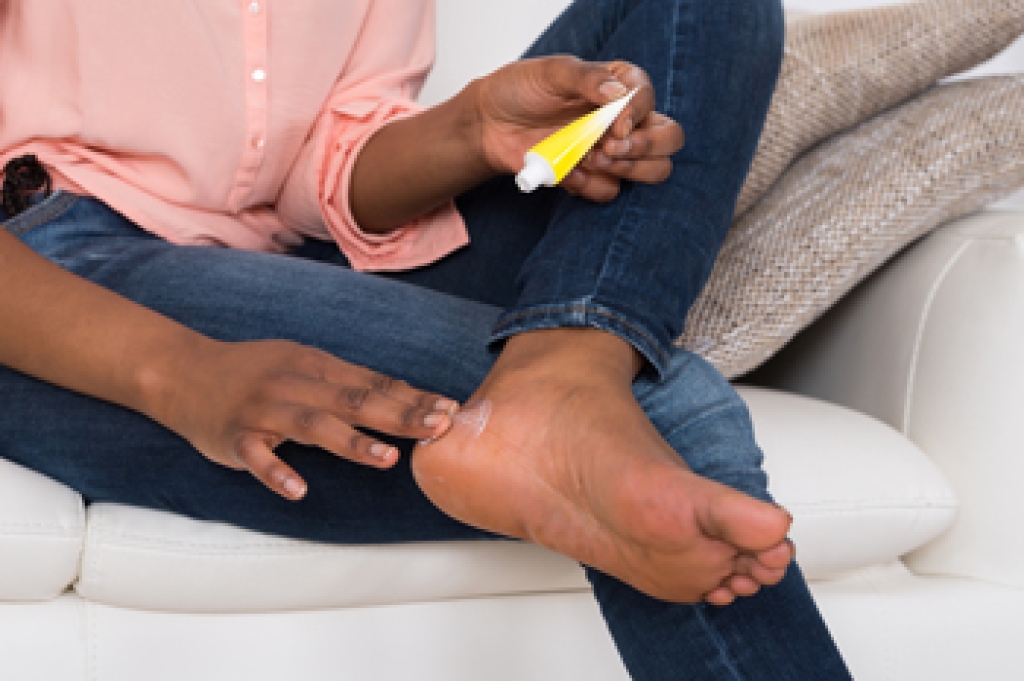
The medical term for cracked heels can be referred to as heel fissures. They are defined as cracks in the outer edge of the heel that can be a result of dry skin. This can occur from wearing shoes that have an open back, or from standing on hard surfaces for the majority of the day. This condition can cause pain and discomfort, and in severe cases, bleeding may occur. There are many patients who find mild relief when the feet are soaked in warm water, followed by applying a good moisturizer. Additionally, a pumice stone may be used that can help to remove dead skin. Ignoring cracked heels can lead to fissures and increased risk of infection. For that reason, it is suggested that you consult a podiatrist who is able to offer safe treatment and suggest prevention techniques.
Cracked heels are unsightly and can cause further damage to your shoes and feet. If you have any concerns, contact Cary Golub, DPM from New York. Our doctor can provide the care you need to keep you pain-free and on your feet.
Cracked Heels
Cracked heels appear unappealing and can make it harder for you walk around in sandals. Aside from looking unpleasant, cracked heels can also tear stockings, socks, and wear out your shoes. There are several methods to help restore a cracked heel and prevent further damage.
How Do You Get Them?
Dry skin is the number one culprit in creating cracked heels. Many athletes, walkers, joggers, and even swimmers suffer from cracked heels. Age and skin oil production play a role to getting cracked heels as well.
Promote Healing
Over the counter medicines can help, especially for those that need instant relief or who suffer from chronic dry feet.
Wear Socks – Wearing socks with medicated creams helps lock in moisture.
Moisturizers – Applying both day and night will help alleviate dryness which causes cracking.
Pumice Stones – These exfoliate and remove dead skin, which allows for smoother moisturizer application and better absorption into the skin.
Change in Diet
Eating healthy with a well-balanced diet will give the skin a fresh and radiant look. Your body responds to the kinds of food you ingest. Omega-3 fatty acids and zinc supplements can also revitalize skin tissue.
Most importantly, seek professional help if unsure how to proceed in treating cracked heels. A podiatrist will help you with any questions or information needed.
If you have any questions, please feel free to contact our offices located in Williston Park,and Long Beach, NY. We offer the newest diagnostic and treatment technologies for all your foot care needs.