
Heel pain can negatively affect your day-to-day life. Simple activities like walking can become incredibly uncomfortable or painful due to heel pain.
Don’t live with heel pain and get treated.
Heel pain can negatively affect your day-to-day life. Simple activities like walking can become incredibly uncomfortable or painful due to heel pain.
Don’t live with heel pain and get treated.

Basketball demands explosive movement, sudden stops, and powerful jumps, putting intense stress on the Achilles tendon. A rupture often happens during quick changes in direction or when a player pushes off forcefully while driving, pivoting, or landing from a jump. The injury is commonly linked to a sudden stretch of the tendon as the ankle bends upward faster than the body can react. Players sometimes describe hearing a pop or feeling as if they were kicked from behind. Immediate pain, swelling, and loss of strength follow, making it impossible to continue playing. Recovery usually involves immobilization or surgery, followed by targeted exercises to rebuild strength and flexibility. Preventive care, such as calf strengthening, stretching, and wearing proper basketball shoes, helps reduce risk. If you are a basketball player and think you have sustained an achilles tendon injury, it is suggested that you seek prompt evaluation by a podiatrist to ensure the best outcome and a safe return to the court.
Achilles tendon injuries need immediate attention to avoid future complications. If you have any concerns, contact Cary Golub, DPM of New York. Our doctor can provide the care you need to keep you pain-free and on your feet.
What Is the Achilles Tendon?
The Achilles tendon is a tendon that connects the lower leg muscles and calf to the heel of the foot. It is the strongest tendon in the human body and is essential for making movement possible. Because this tendon is such an integral part of the body, any injuries to it can create immense difficulties and should immediately be presented to a doctor.
What Are the Symptoms of an Achilles Tendon Injury?
There are various types of injuries that can affect the Achilles tendon. The two most common injuries are Achilles tendinitis and ruptures of the tendon.
Achilles Tendinitis Symptoms
Rupture Symptoms
Treatment and Prevention
Achilles tendon injuries are diagnosed by a thorough physical evaluation, which can include an MRI. Treatment involves rest, physical therapy, and in some cases, surgery. However, various preventative measures can be taken to avoid these injuries, such as:
If you have any questions please feel free to contact our offices located in Williston Park, and Long Beach, NY . We offer the newest diagnostic tools and technology to treat your foot and ankle needs.

Recurrent ankle sprains often occur when the ligaments that support the ankle become weakened or overstretched from previous injuries. Each sprain can stretch these ligaments further, reducing stability and making the ankle more prone to rolling inward or outward during activity. The most frequently affected ligament is the anterior talofibular ligament, which helps keep the ankle from turning excessively. Symptoms of recurring ankle sprains include pain, swelling, tenderness, and a sense that the ankle gives way. Chronic ankle instability can develop if the ligaments and surrounding muscles lose their ability to properly stabilize the joint. A podiatrist can assess the degree of ligament damage and evaluate ankle alignment through physical examination and imaging. In some cases, surgery may be required to restore ligament strength and joint stability. If you have repeatedly sprained an ankle, it is suggested that you schedule an appointment with a podiatrist for a diagnosis and appropriate treatment options.
Although ankle sprains are common, they aren’t always minor injuries. If you need your ankle injury looked at, contact Cary Golub, DPM from New York. Our doctor can provide the care you need to keep you pain-free and on your feet.
How Does an Ankle Sprain Occur?
Ankle sprains are the result of a tear in the ligaments within the ankle. These injuries may happen when you make a rapid shifting movement while your foot is planted. A less common way to sprain your ankle is when your ankle rolls inward while your foot turns outward.
What Are the Symptoms?
Preventing a Sprain
Treatment of a Sprain
In many cases, the RICE method (Rest, Ice, Compression, and Elevate) is used to treat ankle sprains. However, you should see a podiatrist to see which treatment option would work best with your injury. In severe cases, surgery may be required.
It is important to ask your doctor about rehab options after you receive treatment for your injury. Stretching, strength training, and balance exercises may help the ankle heal while also preventing further injury.
If you have any questions, please feel free to contact our offices located in Williston Park, and Long Beach, NY . We offer the newest diagnostic and treatment technologies for all your foot care needs.

Foot pain is common in fibromyalgia patients, with studies finding it in more than half of those living with the condition. This type of foot pain can make even simple tasks difficult, since it affects every step a person takes. Many describe burning on the bottoms of their feet, sharp pain when stepping on small objects, or discomfort when shoes press on their toes. Some even feel pain just from resting their feet on the floor. The exact cause is not fully known, but several factors may contribute. The band of tissue that supports the arch can become irritated, leading to heel or arch pain. Nerves in the feet can also become overly sensitive, causing normal pressure to feel intense. In some cases, the joint beneath the ankle that controls side-to-side motion may not move properly, adding to strain. If you have foot pain as a result of fibromyalgia, it is suggested that you schedule an appointment with a podiatrist for an exam, diagnosis, and appropriate treatment.
When dealing with systemic disease of the feet, it is extremely important to check the affected areas routinely so that any additional problems are caught quickly. If you have any concerns about your feet and ankles contact Cary Golub, DPM from New York. Our doctor will assist you with all of your podiatric needs.
Systemic Diseases of the Feet
Systemic diseases affect the whole body, and symptoms usually are displayed in the feet. This condition can make a patient’s ability to walk unbearable. Systemic diseases include gout, diabetes mellitus, neurological disorders, and arthritis.
Gout – is caused by an excess of uric acid in the body. Common symptoms include pain, inflammation, and redness at the metatarsal/phalangeal joint of the base big toe. Gout can be treated by NSAIDs to relieve pain and inflammation, and other drugs that lower the acid levels in the body.
Diabetes mellitus – is an increase in the level of blood sugar that the body cannot counteract with its own insulin. Failure to produce enough insulin is a factor in Diabetes.
Diabetes of the Feet
Diabetic Neuropathy – may lead to damaged nerves and affect the feet through numbness and loss of sensation.
Peripheral Vascular Disease – can restrict the blood flow to the feet, and often times lead to amputation of the feet.
If you have any questions please contact our offices located in Williston Park, and Long Beach, NY . We offer the newest diagnostic and treatment technologies for all your foot and ankle needs.
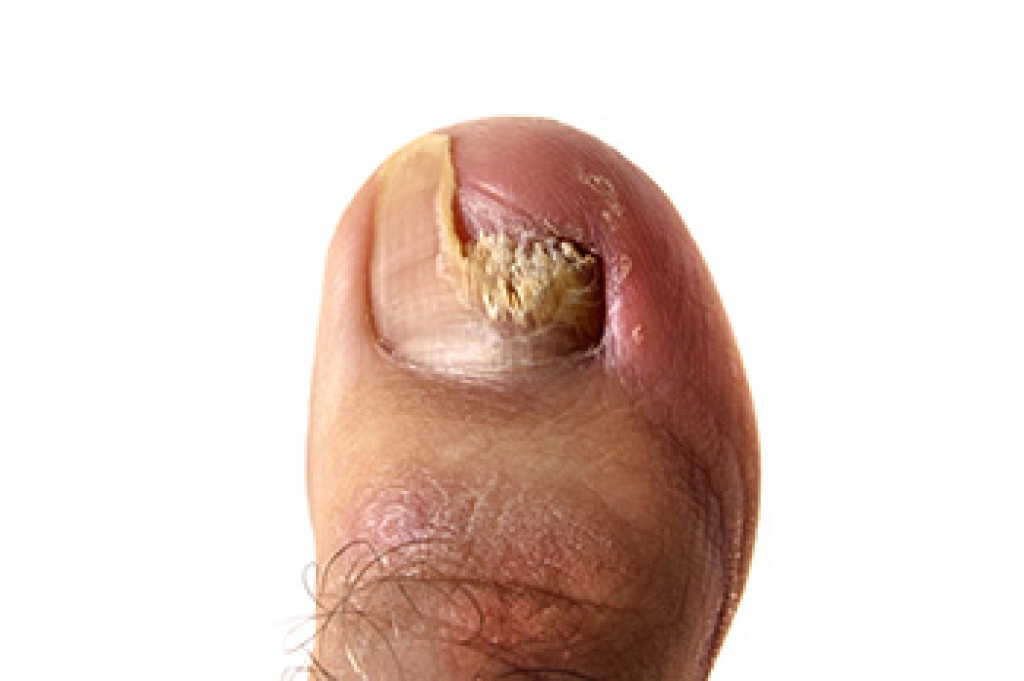
Thick toenails are caused by a fungus that causes the toenails to become discolored, thickened, and brittle. The nails may appear yellow, white, or even brown, and can sometimes separate from the nail bed. This infection, known as onychomycosis, typically involves fungi that thrive in warm, damp environments, such as sweaty shoes or communal areas like swimming pools. Poor foot hygiene, a weakened immune system, or diabetes can also increase the risk of developing onychomycosis. Symptoms include thickened, misshapen nails, crumbling edges, and a foul odor. If left untreated, the infection can worsen, sometimes leading to pain and difficulty walking. A podiatrist is trained to diagnose and treat toenail fungus effectively. Treatments may include antifungal medications, topical solutions, or, in severe cases, nail removal. Your podiatrist will assess the severity of the condition and recommend the best course of treatment. If you have symptoms of toenail fungus, it is suggested that you schedule an appointment with a podiatrist for appropriate treatment, which may include prescribed medication.
For more information about treatment, contact Cary Golub, DPM of New York. Our doctor can provide the care you need to keep you pain-free and on your feet.
Toenail Fungus Treatment
Toenail fungus is a condition that affects many people and can be especially hard to get rid of. Fortunately, there are several methods to go about treating and avoiding it.
Antifungals & Deterrence
Oral antifungal medicine has been shown to be effective in many cases. It is important to consult with a podiatrist to determine the proper regiment for you, or potentially explore other options.
Applying foot powder on the feet and shoes helps keep the feet free of moisture and sweat.
Sandals or open toed shoes – Wearing these will allow air movement and help keep feet dry. They also expose your feet to light, which fungus cannot tolerate. Socks with moisture wicking material also help as well.
If you have any questions please contact our offices located in Williston Park, and Long Beach, NY . We offer the newest diagnostic and treatment technologies for all your foot and ankle needs.
Connect With Us
