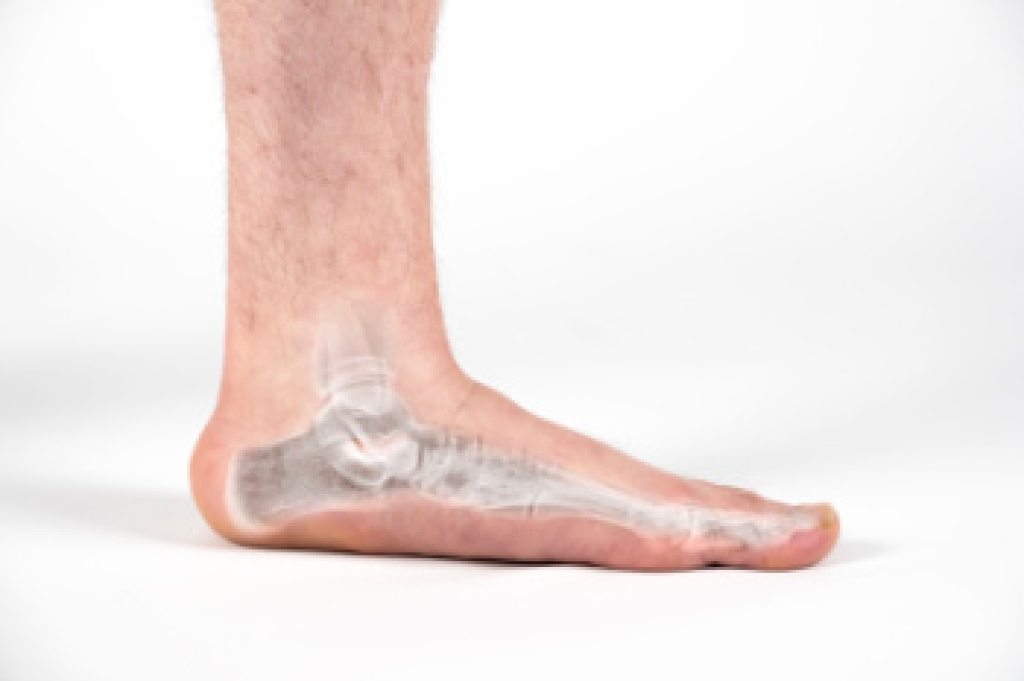
How Flat Feet Affect Walking

Flat feet develop when the arches of the feet are low or absent, allowing more of the soles to touch the ground. The arch normally helps distribute body weight and supports movement during walking.In young children, flat feet are often a normal part of growth as their arches take shape. Many children develop visible arches as they grow, while others continue to have flat feet into adulthood. Some adults develop flat feet later in life when the structures supporting the arch weaken. Although flat feet do not always cause problems, changes in foot alignment may place additional strain on nearby muscles and joints. Arch structure helps explain why symptoms vary.


Symptoms of flat feet depend on the degree of arch flattening and how the feet respond to activity. Some individuals notice aching along the inside of the foot or around the ankle, especially after extended periods of standing. Others experience tired feet or discomfort that becomes more noticeable during walking. When the arch drops, the heel may tilt outward, changing how weight moves across the foot. This altered alignment may affect the way a person walks and place added stress on surrounding tissues. Flat feet occur in one foot or both, and symptoms sometimes become more noticeable over time. Not every low arch requires treatment, when movement is comfortable. However, persistent discomfort, swelling, or changes in foot shape deserve attention. Identifying whether the arch remains flexible or becomes stiff is an important part of understanding the problem.


A podiatrist evaluates flat feet by examining foot alignment, arch flexibility, and walking patterns. The examination will include observing how the arches change when a person stands or rises onto the toes. These findings help identify sources of pain. When treatment is appropriate, podiatric care involves supportive footwear recommendations or custom orthotics designed to improve comfort and distribute pressure more evenly. A podiatrist may also recommend guided exercises to support foot function, depending on the individual's needs. Treatment focuses on symptoms and movement rather than simply changing the appearance of the arch. An evaluation is useful when foot shape or comfort changes. If you are experiencing painful flat feet or changes in your arches, it is suggested that you consult a podiatrist for an evaluation and appropriate treatment options.

Flatfoot is a condition many people suffer from. If you have flat feet, contact Cary Golub, DPM from New York. Our doctor will treat your foot and ankle needs.

What Are Flat Feet?

Flatfoot is a condition in which the arch of the foot is depressed and the sole of the foot is almost completely in contact with the ground. About 20-30% of the population generally has flat feet because their arches never formed during growth.

Conditions & Problems:

Having flat feet makes it difficult to run or walk because of the stress placed on the ankles.

Alignment – The general alignment of your legs can be disrupted, because the ankles move inward which can cause major discomfort.

Knees – If you have complications with your knees, flat feet can be a contributor to arthritis in that area.  

Symptoms

  • Pain around the heel or arch area
  • Trouble standing on the tip toe
  • Swelling around the inside of the ankle
  • Flat look to one or both feet
  • Having your shoes feel uneven when worn

Treatment

If you are experiencing pain and stress on the foot you may weaken the posterior tibial tendon, which runs around the inside of the ankle. 

If you have any questions, please feel free to contact our offices located in Williston Park, and Long Beach, NY . We offer the newest diagnostic and treatment technologies for all your foot care needs.
Read more about Flatfoot

Ankle Sprains and Recovery

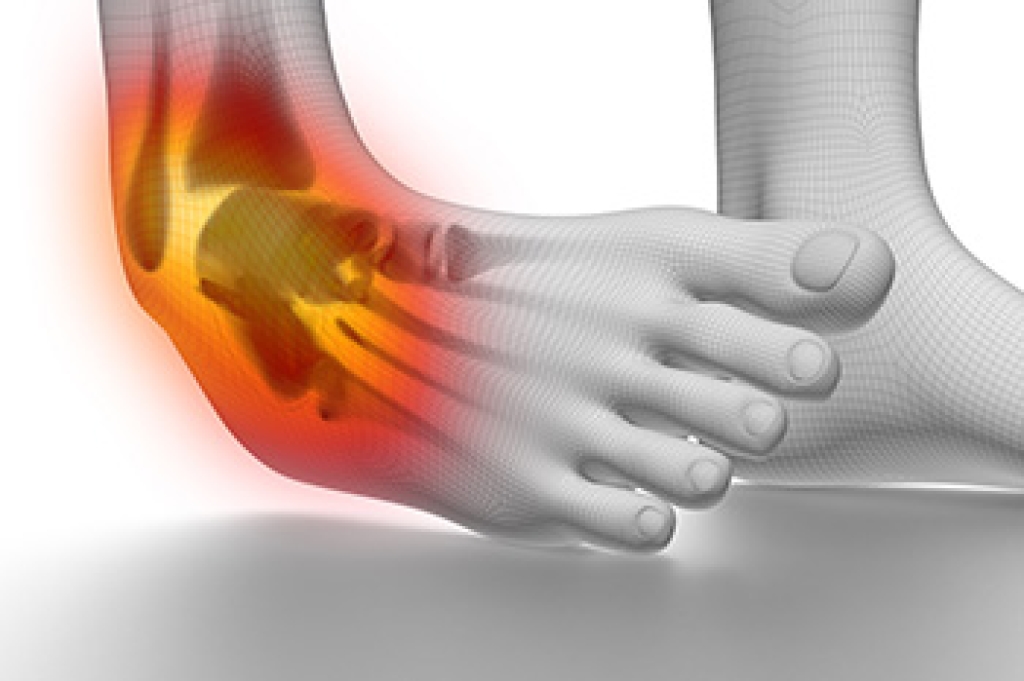
Ankle sprains occur when the ligaments supporting the ankle become stretched or torn. Ligaments are strong bands of tissue that connect bones and help keep joints stable. This injury typically happens when the ankle suddenly rolls or twists beyond its normal range of motion. Common symptoms include pain, swelling, and bruising around the affected joint. Some people also experience difficulty placing weight on the injured ankle. Recovery time depends on the severity of the injury. Mild sprains often heal within one to two weeks, while more serious injuries may require several weeks. Without proper rehabilitation, the ankle may remain weak or unstable, increasing the risk of repeated injuries.


Rehabilitation exercises play an important role in ankle sprain recovery by restoring flexibility, strength, and balance. Early rehabilitation focuses on improving movement and reducing stiffness as the injured ligaments heal. Professionally guided exercises may include ankle circles, ankle pumps, and gentle calf stretches. As movement improves, strengthening exercises help rebuild the muscles that support the ankle joint. Resistance-band exercises and heel raises gradually improve ankle strength and stability. Balance training becomes important as recovery progresses because it helps improve coordination and reduce the risk of future sprains. The timing of these exercises depends on pain levels, joint stability, and the severity of the injury. A structured rehabilitation program supports a gradual return to normal activities.


A podiatrist evaluates ankle sprains by examining joint stability, movement, and the extent of ligament damage. X-rays may be recommended to rule out fractures. Treatment may involve supportive braces to protect the ankle during healing. A podiatrist also develops an appropriate rehabilitation plan based on the injury and recovery progress. Follow-up evaluations help determine when strengthening and balance exercises should advance. Proper rehabilitation reduces the likelihood of chronic ankle instability and repeated injuries. If you are experiencing ankle pain or instability after an injury, it is suggested that you consult a podiatrist for an evaluation and appropriate treatment options.

Although ankle sprains are common, they aren’t always minor injuries. If you need your ankle injury looked at, contact Cary Golub, DPM from New York. Our doctor can provide the care you need to keep you pain-free and on your feet.

How Does an Ankle Sprain Occur?

Ankle sprains are the result of a tear in the ligaments within the ankle. These injuries may happen when you make a rapid shifting movement while your foot is planted. A less common way to sprain your ankle is when your ankle rolls inward while your foot turns outward.

What Are the Symptoms?

  • Pain at the sight of the tear
  • Bruising/Swelling
  • Ankle area is tender to touch
  • In severe cases, may hear/feel something tear
  • Skin discoloration

Preventing a Sprain

  • Wearing appropriate shoes for the occasion
  • Stretching before exercises and sports
  • Knowing your limits

Treatment of a Sprain

In many cases, the RICE method (Rest, Ice, Compression, and Elevate) is used to treat ankle sprains. However, you should see a podiatrist to see which treatment option would work best with your injury. In severe cases, surgery may be required.

It is important to ask your doctor about rehab options after you receive treatment for your injury. Stretching, strength training, and balance exercises may help the ankle heal while also preventing further injury.

If you have any questions, please feel free to contact our offices located in Williston Park, and Long Beach, NY . We offer the newest diagnostic and treatment technologies for all your foot care needs.

Read more about Three Grades of Ankle Sprains

Connect With Us

Advanced Podiatric Procedures & Services in the areass