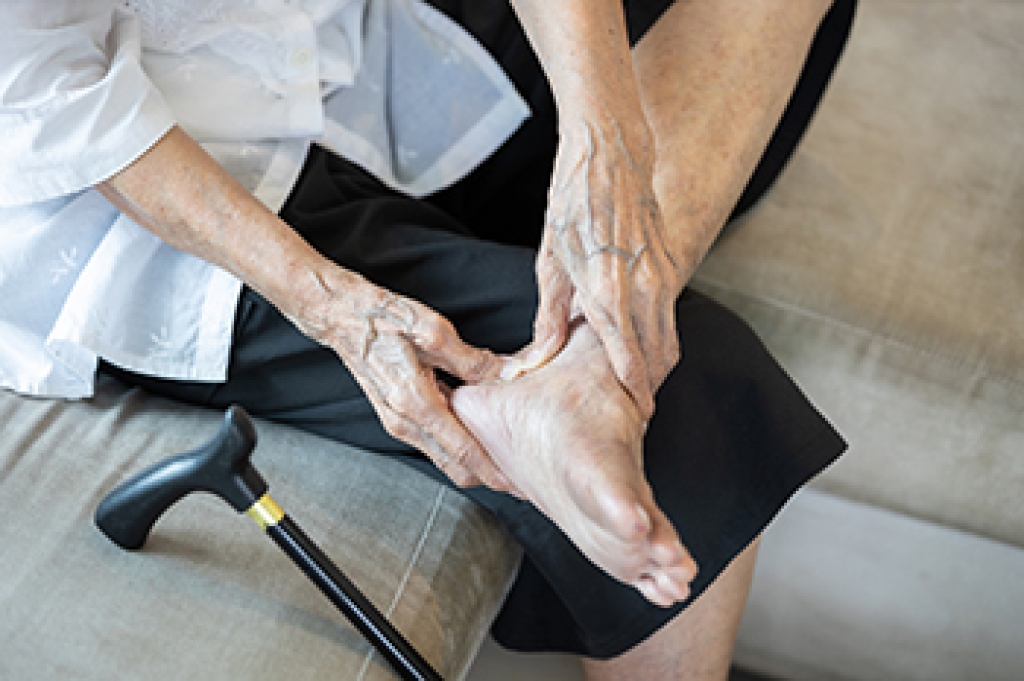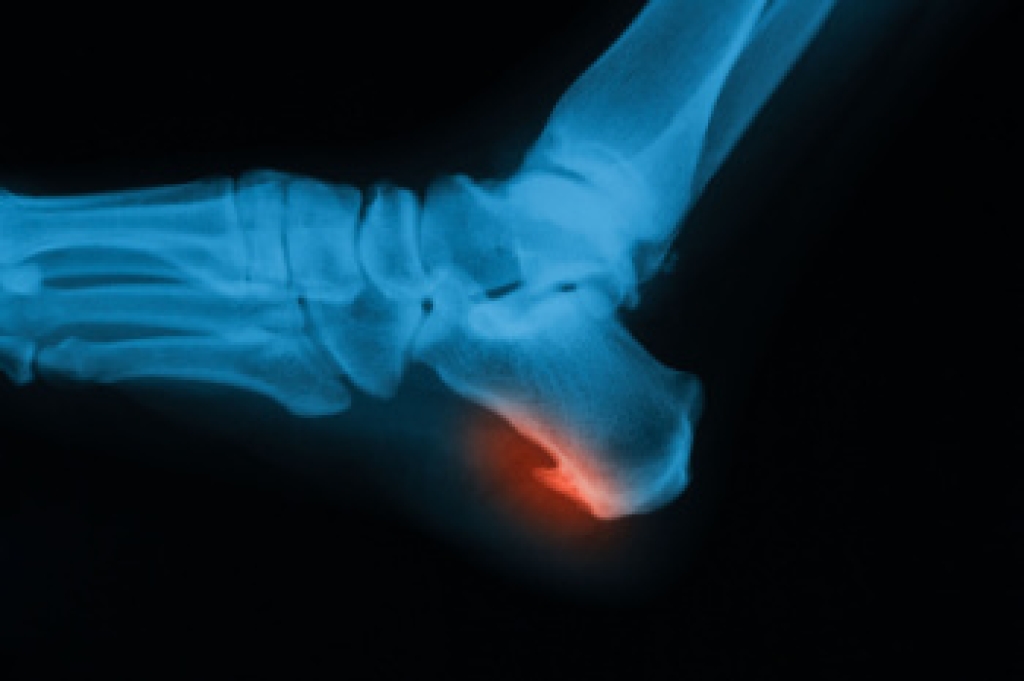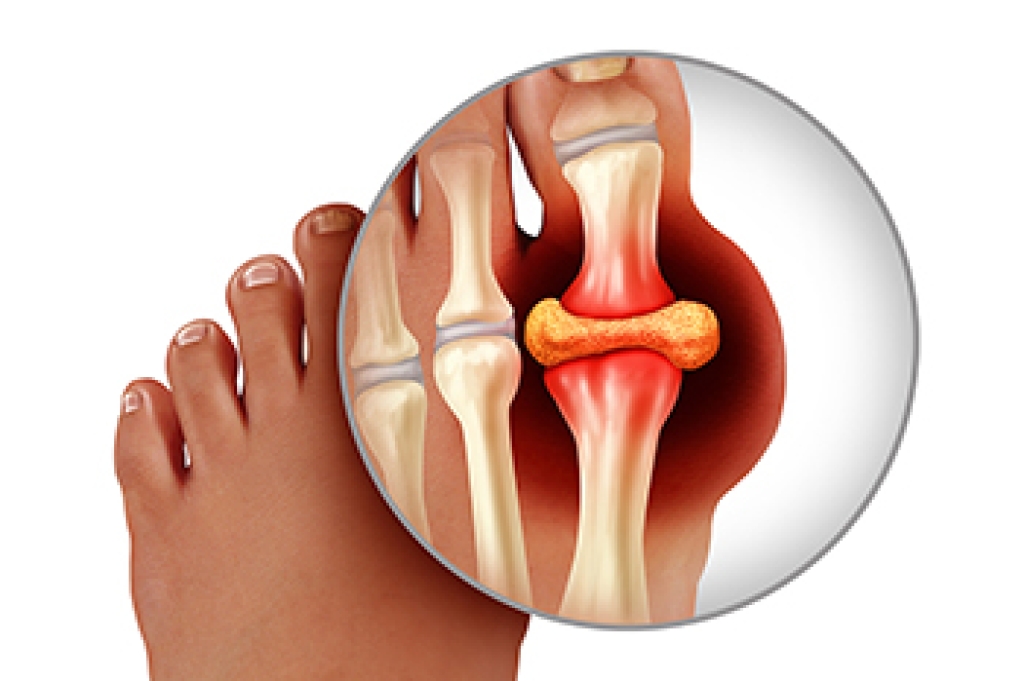
Gout is a type of arthritis caused by a buildup of uric acid crystals in the joints, often affecting the big toe, but also the foot and ankle. Symptoms include sudden, severe pain, redness, swelling, and warmth in the affected joint, making walking or standing difficult. Risk factors include a diet high in purines, obesity, genetics, alcohol consumption, and certain medical conditions. Repeated gout attacks can lead to joint damage, decreased mobility, and long-term discomfort. A podiatrist can diagnose gout, recommend lifestyle adjustments, prescribe medication, and provide care to reduce pain and prevent future attacks. Early intervention helps protect joint health and improve mobility. If you have gout symptoms in your big toe or foot, it is suggested that you promptly consult a podiatrist who can help you to manage this painful condition.
Gout is a foot condition that requires certain treatment and care. If you are seeking treatment, contact Cary Golub, DPM from New York. Our doctor will treat your foot and ankle needs.
What Is Gout?
Gout is a type of arthritis caused by a buildup of uric acid in the bloodstream. It often develops in the foot, especially the big toe area, although it can manifest in other parts of the body as well. Gout can make walking and standing very painful and is especially common in diabetics and the obese.
People typically get gout because of a poor diet. Genetic predisposition is also a factor. The children of parents who have had gout frequently have a chance of developing it themselves.
Gout can easily be identified by redness and inflammation of the big toe and the surrounding areas of the foot. Other symptoms include extreme fatigue, joint pain, and running high fevers. Sometimes corticosteroid drugs can be prescribed to treat gout, but the best way to combat this disease is to get more exercise and eat a better diet.
If you have any questions, please feel free to contact our offices located in Williston Park, and Long Beach, NY . We offer the newest diagnostic and treatment technologies for all your foot care needs.