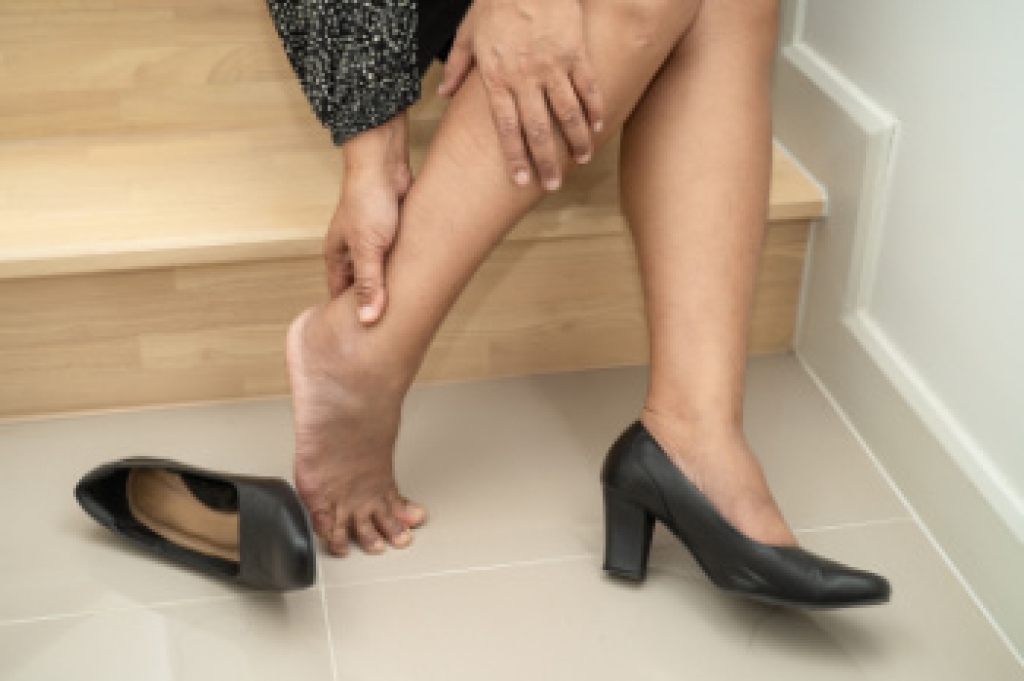
If you're experiencing ankle pain, you may be suffering from an ankle injury. Sprains, fractures, Achilles tendonitis, and Achilles tendon ruptures are just some examples of potential ankle injuries. Don't wait for care for an ankle injury, as it may worsen over time. We can help!
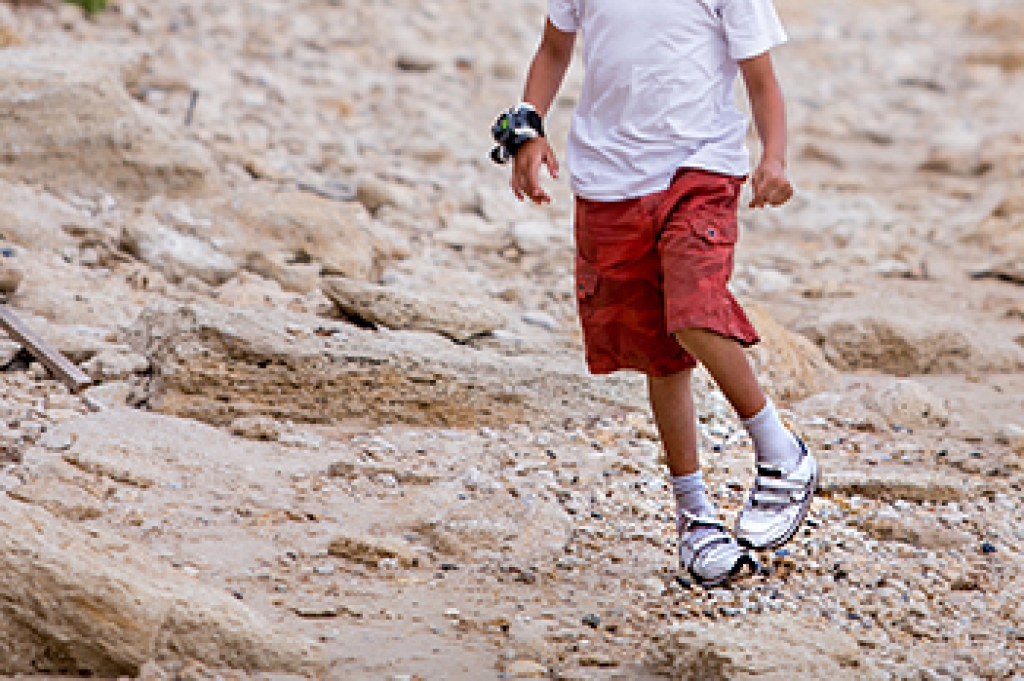
Congenital foot conditions are structural abnormalities present at birth that can affect a child's mobility and development. Clubfoot involves the foot turning inward and downward. Planovalgus refers to a flat foot with the heel rolled outward. Cavus foot is marked by a high arch that can lead to instability. Congenital vertical talus presents with a rigid flatfoot and upward-facing sole, while metatarsus adductus is a curve in the front half of the foot. These conditions may vary in severity but often benefit from early diagnosis and treatment. A podiatrist can offer bracing, custom orthotics, or surgical guidance when needed. If your child shows signs of a foot abnormality, it is suggested that you include a podiatrist on your health care team to ensure your child receives correct treatment.
Congenital foot problems require immediate attention to avoid future complications. If you have any concerns, contact Cary Golub, DPM of New York. Our doctor can provide the care you need to keep you pain-free and on your feet.
Congenital foot problems are deformities affecting the feet, toes, and/or ankles that children are born with. Some of these conditions have a genetic cause while others just happen. Some specific foot ailments that children may be born with include clubfeet, polydactyly/macrodactyly, and cleft foot. There are several other foot anomalies that can occur congenitally. What all of these conditions have in common is that a child may experience difficulty walking or performing everyday activities, as well as trouble finding footwear that fits their foot deformity. Some of these conditions are more serious than others. Consulting with a podiatrist as early as possible will help in properly diagnosing a child’s foot condition while getting the necessary treatment underway.
What are Causes of Congenital Foot Problem?
A congenital foot problem is one that happens to a child at birth. These conditions can be caused by a genetic predisposition, developmental or positional abnormalities during gestation, or with no known cause.
What are Symptoms of Congenital Foot Problems?
Symptoms vary by the congenital condition. Symptoms may consist of the following:
Clubfoot, where tendons are shortened, bones are shaped differently, and the Achilles tendon is tight, causing the foot to point in and down. It is also possible for the soles of the feet to face each other.
Polydactyly, which usually consists of a nubbin or small lump of tissue without a bone, a toe that is partially formed but has no joints, or an extra toe.
Vertical talus, where the talus bone forms in the wrong position causing other bones in the foot to line up improperly, the front of the foot to point up, and the bottom of the foot to stiffen, with no arch, and to curve out.
Tarsal coalition, when there is an abnormal connection of two or more bones in the foot leading to severe, rigid flatfoot.
Cleft foot, where there are missing toes, a V-shaped cleft, and other anatomical differences.
Macrodactyly, when the toes are abnormally large due to overgrowth of the underlying bone or soft tissue.
Treatment and Prevention
While there is nothing one can do to prevent congenital foot problems, raising awareness and receiving neonatal screenings are important. Early detection by taking your child to a podiatrist leads to the best outcome possible.
If you have any questions, please feel free to contact our offices located in Williston Park,and Long Beach, NY. We offer the newest diagnostic and treatment technologies for all your foot care needs.
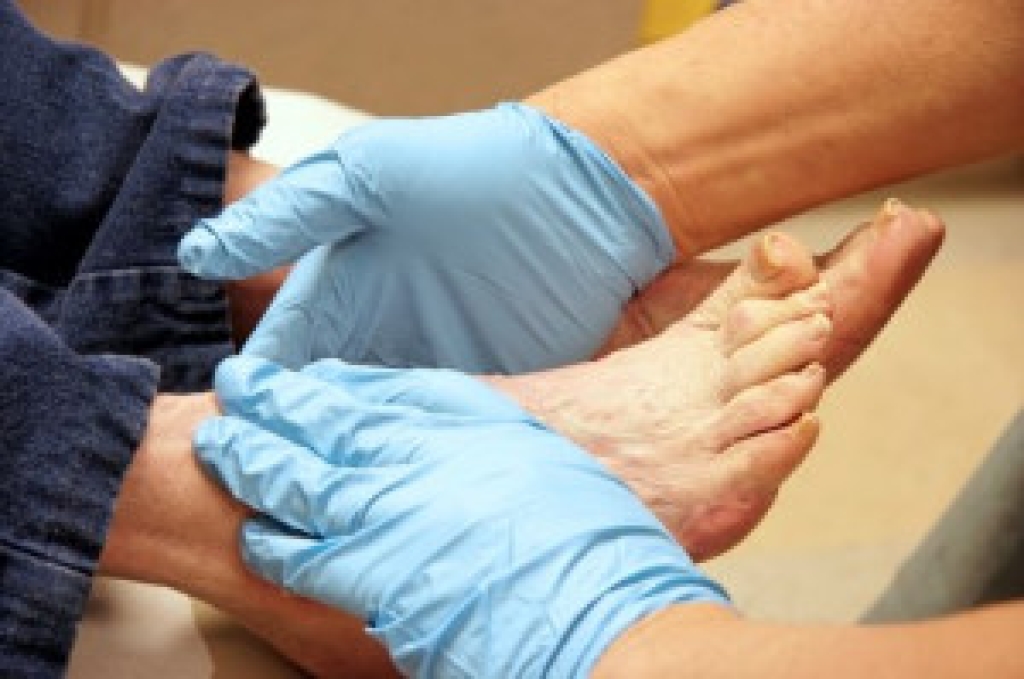
Diabetes can quietly affect the feet in serious ways. Changes in circulation and nerve function may cause numbness, making it harder to feel blisters, cuts, or pressure points. Without early detection, even small issues can turn into infections or open sores that are slow to heal. Dry skin, foot deformities, and nail problems are also more common with diabetes, increasing the risk of complications. Regular foot checks and wearing protective shoes are important steps in prevention. Staying alert to changes in skin color, temperature, or sensation can help stop problems before they start. Because diabetic foot issues can worsen quickly, proper care is essential. If you have diabetes and notice foot pain, discoloration, or any break in the skin, it is suggested that you promptly see a podiatrist for a full evaluation and a care plan designed to keep your feet healthy.
Diabetic foot care is important in preventing foot ailments such as ulcers. If you are suffering from diabetes or have any other concerns about your feet, contact Cary Golub, DPM from New York. Our doctor can provide the care you need to keep you pain-free and on your feet.
Diabetic Foot Care
Diabetes affects millions of people every year. The condition can damage blood vessels in many parts of the body, especially the feet. Because of this, taking care of your feet is essential if you have diabetes, and having a podiatrist help monitor your foot health is highly recommended.
The Importance of Caring for Your Feet
Routinely inspect your feet for bruises or sores.
Wear socks that fit your feet comfortably.
Wear comfortable shoes that provide adequate support.
Patients with diabetes should have their doctor monitor their blood levels, as blood sugar levels play such a huge role in diabetic care. Monitoring these levels on a regular basis is highly advised.
It is always best to inform your healthcare professional of any concerns you may have regarding your feet, especially for diabetic patients. Early treatment and routine foot examinations are keys to maintaining proper health, especially because severe complications can arise if proper treatment is not applied.
If you have any questions, please feel free to contact our offices located in Williston Park,and Long Beach, NY. We offer the newest diagnostic and treatment technologies for all your foot care needs.
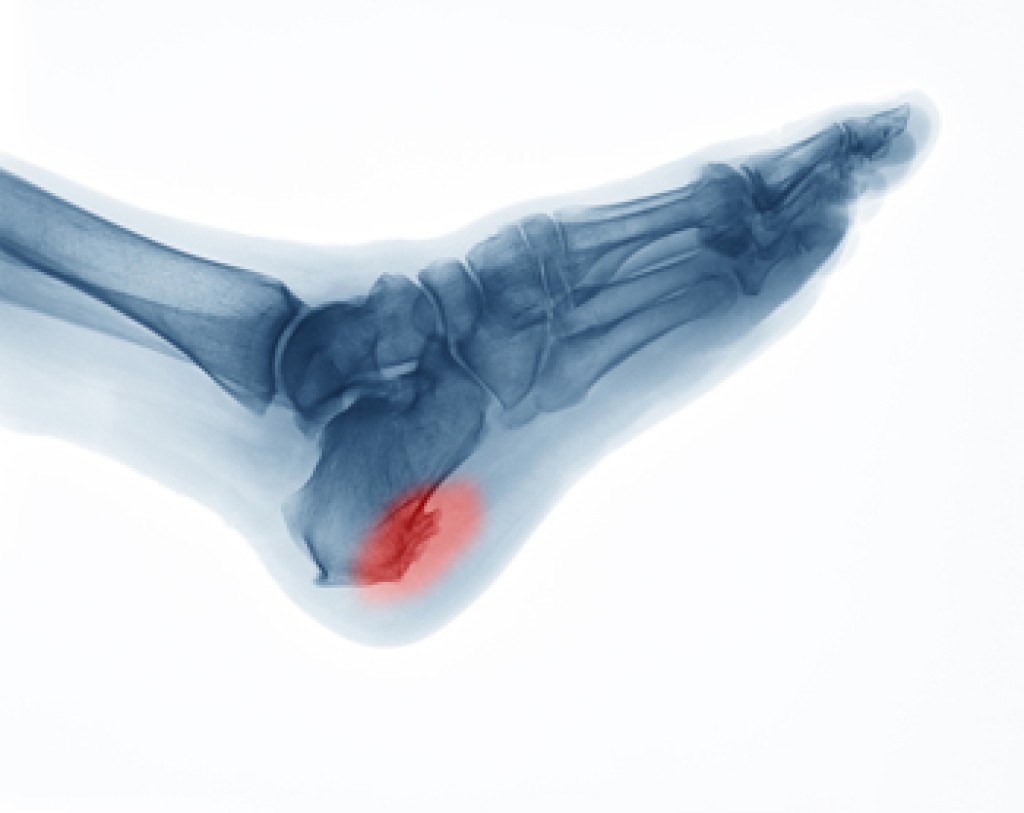
A heel spur is a calcium deposit that forms under the heel bone, often linked to ongoing strain on the foot. Although the spur itself may not always cause pain, the surrounding tissue can become irritated. Recovery focuses on reducing pressure and inflammation. Wearing supportive shoes with good arch structure, cushioned insoles, and soft heel pads can make a big difference. Stretching the calf and foot regularly helps ease tension along the bottom of the foot. Avoiding high-impact activities allows the area to calm down. In some cases, custom orthotics or targeted exercises may be helpful. While quick relief is possible with the right care, complete healing may still take time. If your heel pain does not improve or becomes more intense, it is suggested that you see a podiatrist for a proper diagnosis and a personalized treatment plan.
Heel spurs can be incredibly painful and sometimes may make you unable to participate in physical activities. To get medical care for your heel spurs, contact Cary Golub, DPM from New York. Our doctor will do everything possible to treat your condition.
Heels Spurs
Heel spurs are formed by calcium deposits on the back of the foot where the heel is. This can also be caused by small fragments of bone breaking off one section of the foot, attaching onto the back of the foot. Heel spurs can also be bone growth on the back of the foot and may grow in the direction of the arch of the foot.
Older individuals usually suffer from heel spurs and pain sometimes intensifies with age. One of the main condition's spurs are related to is plantar fasciitis.
Pain
The pain associated with spurs is often because of weight placed on the feet. When someone is walking, their entire weight is concentrated on the feet. Bone spurs then have the tendency to affect other bones and tissues around the foot. As the pain continues, the feet will become tender and sensitive over time.
Treatments
There are many ways to treat heel spurs. If one is suffering from heel spurs in conjunction with pain, there are several methods for healing. Medication, surgery, and herbal care are some options.
If you have any questions, please feel free to contact our offices located in Williston Park,and Long Beach, NY. We offer the newest diagnostic and treatment technologies for all your foot care needs.
The health of your feet can often reflect what is happening elsewhere in the body. Certain medical conditions that affect multiple systems can also cause foot-related symptoms. Diabetes is one of the most well-known, often leading to nerve damage, circulation problems, and delayed healing. Autoimmune diseases such as lupus or rheumatoid arthritis can cause joint pain, swelling, and changes in foot structure. Kidney or liver disease may lead to fluid retention, causing swelling in the feet and ankles. Additionally, neurological disorders can affect muscle control and sensation, sometimes leading to imbalance or unusual wear on the feet. Even conditions like peripheral artery disease or thyroid dysfunction may contribute to discomfort or changes in the appearance of the feet. Paying attention to new or ongoing symptoms can help with early detection of a broader issue. If your feet are showing signs of an underlying condition, it is suggested that you speak with a podiatrist for further guidance and care.
When dealing with systemic disease of the feet, it is extremely important to check the affected areas routinely so that any additional problems are caught quickly. If you have any concerns about your feet and ankles contact Cary Golub, DPM from New York. Our doctor will assist you with all of your podiatric needs.
Systemic Diseases of the Feet
Systemic diseases affect the whole body, and symptoms usually are displayed in the feet. This condition can make a patient’s ability to walk unbearable. Systemic diseases include gout, diabetes mellitus, neurological disorders, and arthritis.
Gout – is caused by an excess of uric acid in the body. Common symptoms include pain, inflammation, and redness at the metatarsal/phalangeal joint of the base big toe. Gout can be treated by NSAIDs to relieve pain and inflammation, and other drugs that lower the acid levels in the body.
Diabetes mellitus – is an increase in the level of blood sugar that the body cannot counteract with its own insulin. Failure to produce enough insulin is a factor in Diabetes.
Diabetes of the Feet
Diabetic Neuropathy – may lead to damaged nerves and affect the feet through numbness and loss of sensation.
Peripheral Vascular Disease – can restrict the blood flow to the feet, and often times lead to amputation of the feet.
If you have any questions please contact our offices located in Williston Park,and Long Beach, NY. We offer the newest diagnostic and treatment technologies for all your foot and ankle needs.