
Do you work on your feet all day and find your feet in pain? Don't go to work in pain each day. Your foot pain can be treated, and we can help.
Do you work on your feet all day and find your feet in pain? Don't go to work in pain each day. Your foot pain can be treated, and we can help.

Some foot wounds close within days, but others linger for weeks or even months, becoming a chronic problem. These slow-healing injuries often develop in people with poor circulation, nerve damage, or conditions like diabetes that impair the body’s repair process. Persistent pressure from walking, wearing tight shoes, or foot deformities can keep the skin from closing properly, while unnoticed infections may worsen the damage. Over time, a chronic wound can extend deeper into tissue, raising the risk of serious complications, including bone infection. Because sensation in the feet may be reduced, pain is not always a reliable warning sign. Regular inspection, professional wound care, and addressing the underlying cause are critical for recovery. If a foot sore does not show signs of improvement within a reasonable time, it is suggested that you see a podiatrist for prompt evaluation and treatment.
Wound care is an important part in dealing with diabetes. If you have diabetes and a foot wound or would like more information about wound care for diabetics, consult with Cary Golub, DPM from New York. Our doctor will assess your condition and provide you with quality foot and ankle treatment.
What Is Wound Care?
Wound care is the practice of taking proper care of a wound. This can range from the smallest to the largest of wounds. While everyone can benefit from proper wound care, it is much more important for diabetics. Diabetics often suffer from poor blood circulation which causes wounds to heal much slower than they would in a non-diabetic.
What Is the Importance of Wound Care?
While it may not seem apparent with small ulcers on the foot, for diabetics, any size ulcer can become infected. Diabetics often also suffer from neuropathy, or nerve loss. This means they might not even feel when they have an ulcer on their foot. If the wound becomes severely infected, amputation may be necessary. Therefore, it is of the upmost importance to properly care for any and all foot wounds.
How to Care for Wounds
The best way to care for foot wounds is to prevent them. For diabetics, this means daily inspections of the feet for any signs of abnormalities or ulcers. It is also recommended to see a podiatrist several times a year for a foot inspection. If you do have an ulcer, run the wound under water to clear dirt from the wound; then apply antibiotic ointment to the wound and cover with a bandage. Bandages should be changed daily and keeping pressure off the wound is smart. It is advised to see a podiatrist, who can keep an eye on it.
If you have any questions please contact our offices located in Williston Park, and Long Beach, NY . We offer the newest diagnostic and treatment technologies for all your foot and ankle needs.
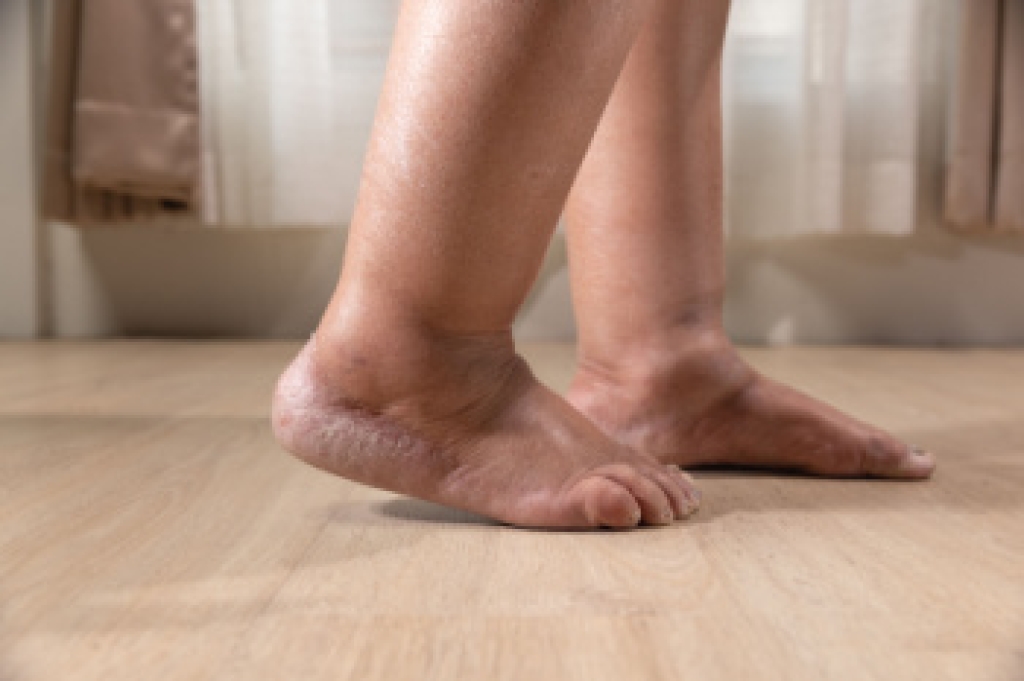
Swollen feet can result from a variety of causes. One common reason is pregnancy, especially during the third trimester, as the body produces extra blood and fluid retention occurs. This can lead to swelling in the feet and ankles, particularly when standing for long periods of time, or in hot weather. Another cause of swollen feet is injury, such as a sprained ankle. Damage to the injured ligaments can lead to fluid accumulation in the affected area as the body works to heal. Venous insufficiency is another contributor to swollen feet. Damaged veins cause blood to pool in the feet and ankles, resulting in swelling. In some cases, swelling can indicate more serious health issues, including heart, kidney, liver disease, or even blood clots. If you have unexplained swelling in the feet, it is suggested that you schedule an appointment with a podiatrist for a diagnosis and appropriate treatment options.
Swollen feet can be a sign of an underlying condition. If you have any concerns, contact Cary Golub, DPM of New York. Our doctor can provide the care you need to keep you pain-free and on your feet.
Swollen feet are a common ailment among pregnant women and people who stand or sit for extended periods. Aging may increase the possibility of swollen feet and patients who are obese often notice when their feet are swelling too. There may be medical reasons why swollen feet occur:
Swollen feet can also be caused by bone and tendon conditions, including fractures, arthritis, and tendinitis. Additionally, there may be skin and toenail conditions and an infection may cause the feet to swell. Patients who take medicine to treat high blood pressure may be prone to getting swollen feet.
Many patients elevate their feet to help relieve the swelling and this is generally a temporary remedy. When a podiatrist is consulted the reason behind the swelling can be uncovered and subsequently treated.
If you have any questions please contact our offices located in Williston Park, and Long Beach, NY . We offer the newest diagnostic and treatment technologies for all your foot and ankle needs.
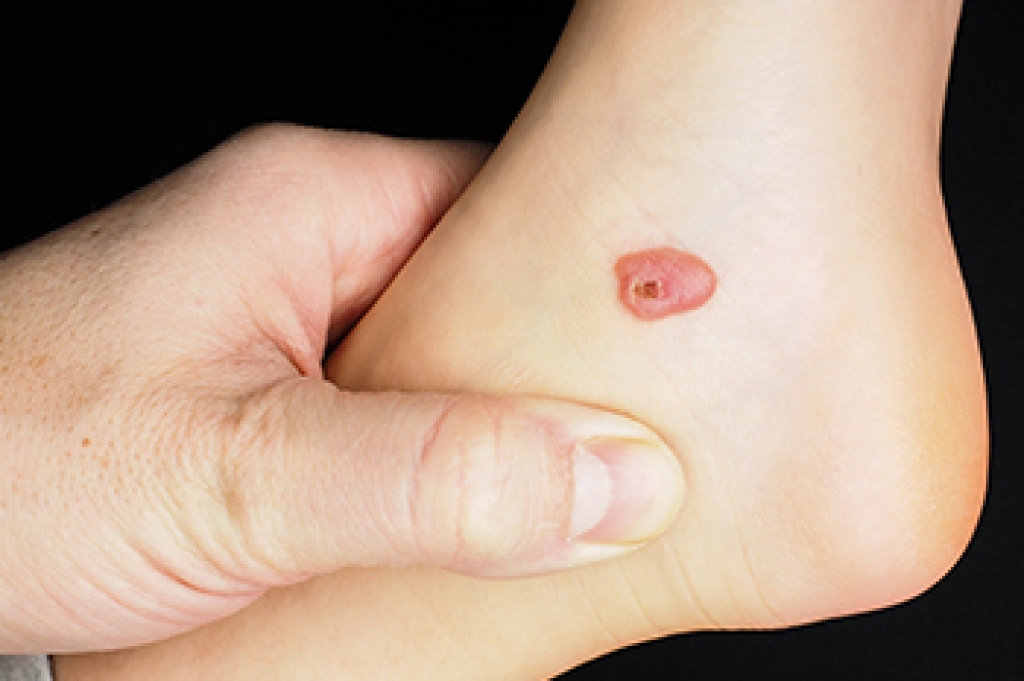
Friction blisters on the foot are fluid-filled sacs that form when repeated rubbing irritates the skin. They commonly develop in areas exposed to pressure or movement, such as the heels, toes, or soles. Causes include wearing ill-fitting shoes, walking long distances, or exercising without proper foot protection. Risk factors include moisture, heat, poorly cushioned footwear, and sensitive skin. Although often minor, untreated blisters can become painful or infected. A podiatrist can assess the blister, provide safe and sterile treatment to reduce discomfort, and recommend footwear or orthotics to prevent recurrence. If you experience frequent foot blisters or notice signs of infection, it is suggested that you visit a podiatrist for expert care and practical solutions to keep your feet healthy and protected.
Blisters are prone to making everyday activities extremely uncomfortable. If your feet are hurting, contact Cary Golub, DPM of New York. Our doctor can provide the care you need to keep you pain-free and on your feet.
Foot Blisters
Foot blisters develop as a result of constantly wearing tight or ill-fitting footwear. This happens due to the constant rubbing from the shoe, which can often lead to pain.
What Are Foot Blisters?
A foot blister is a small fluid-filled pocket that forms on the upper-most layer of the skin. Blisters are filled with clear fluid and can lead to blood drainage or pus if the area becomes infected.
How Do Blisters Form?
Blisters on the feet are often the result of constant friction of skin and material, usually by shoe rubbing. Walking in sandals, boots, or shoes that don’t fit properly for long periods of time can result in a blister. Having consistent foot moisture and humidity can easily lead to blister formation.
Prevention & Treatment
It is important to properly care for the affected area in order to prevent infection and ease the pain. Do not lance the blister and use a Band-Aid to provide pain relief. Also, be sure to keep your feet dry and wear proper fitting shoes. If you see blood or pus in a blister, seek assistance from a podiatrist.
If you have any questions, please feel free to contact our offices located in Williston Park, and Long Beach, NY . We offer the newest diagnostic and treatment technologies for all your foot care needs.
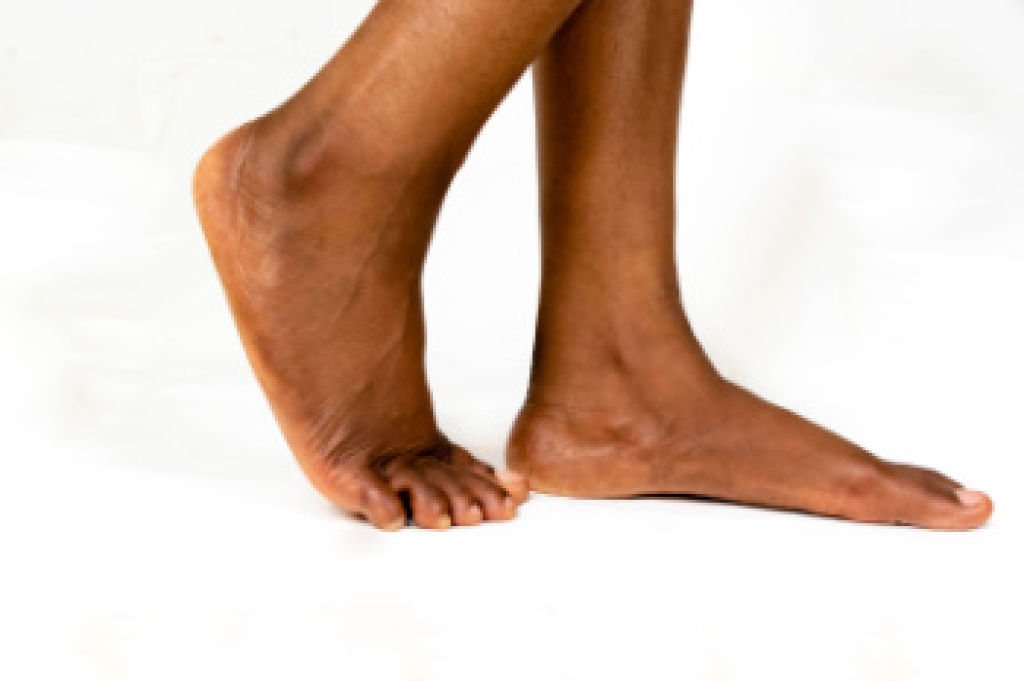
Flat feet, also known as fallen arches, occur when the arches of the feet collapse or never fully develop. This condition can be congenital or happen over time due to injury, arthritis, obesity, or wear and tear. People with flat feet may notice their feet appear completely flat when standing, with little to no arch visible. Symptoms include foot pain, especially in the heel or arch, swelling along the inside of the ankle, and difficulty standing on tiptoes. Flat feet can also lead to problems in the ankles, knees, or hips as a result of altered alignment. A podiatrist can diagnose flat feet through a physical examination and gait analysis. Treatment may include custom orthotics, supportive footwear, stretching exercises, or, in severe cases, surgery. Proper care helps reduce discomfort and improve foot function. If you have flat feet, it is suggested that you schedule an appointment with a podiatrist who can offer relief tips, and help you to monitor this condition.
Flatfoot is a condition many people suffer from. If you have flat feet, contact Cary Golub, DPM from New York. Our doctor will treat your foot and ankle needs.
What Are Flat Feet?
Flatfoot is a condition in which the arch of the foot is depressed and the sole of the foot is almost completely in contact with the ground. About 20-30% of the population generally has flat feet because their arches never formed during growth.
Conditions & Problems:
Having flat feet makes it difficult to run or walk because of the stress placed on the ankles.
Alignment – The general alignment of your legs can be disrupted, because the ankles move inward which can cause major discomfort.
Knees – If you have complications with your knees, flat feet can be a contributor to arthritis in that area.
Symptoms
Treatment
If you are experiencing pain and stress on the foot you may weaken the posterior tibial tendon, which runs around the inside of the ankle.
If you have any questions, please feel free to contact our offices located in Williston Park, and Long Beach, NY . We offer the newest diagnostic and treatment technologies for all your foot care needs.
Connect With Us
