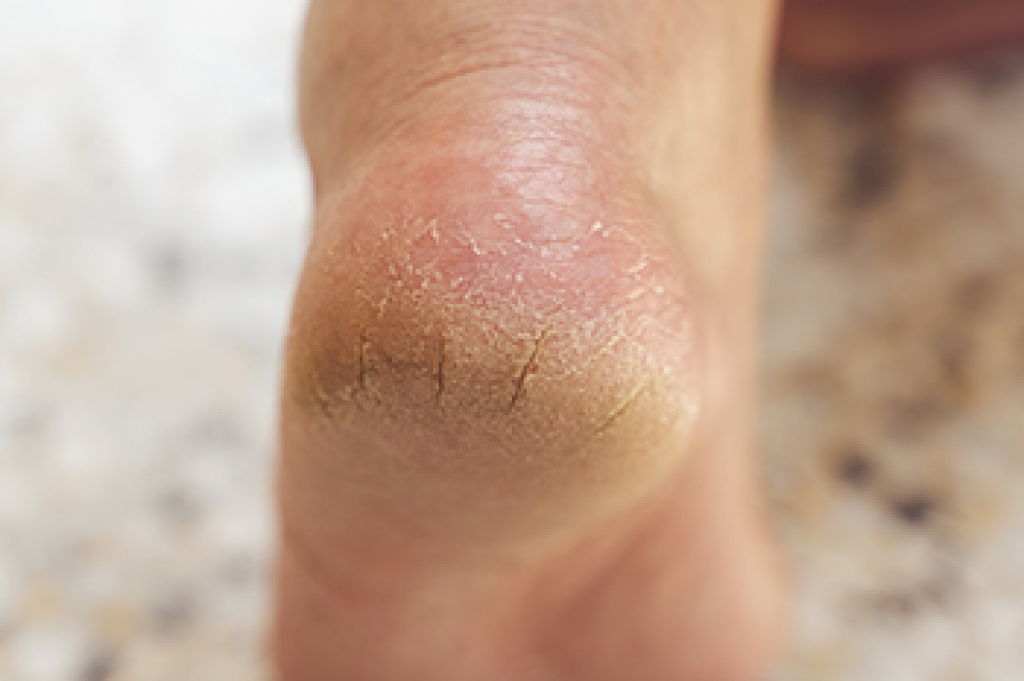
Facts About Gout

Gout is a type of arthritis caused by a buildup of uric acid crystals in the joints, often affecting the big toe, but also the foot and ankle. Symptoms include sudden, severe pain, redness, swelling, and warmth in the affected joint, making walking or standing difficult. Risk factors include a diet high in purines, obesity, genetics, alcohol consumption, and certain medical conditions. Repeated gout attacks can lead to joint damage, decreased mobility, and long-term discomfort. A podiatrist can diagnose gout, recommend lifestyle adjustments, prescribe medication, and provide care to reduce pain and prevent future attacks. Early intervention helps protect joint health and improve mobility. If you have gout symptoms in your big toe or foot, it is suggested that you promptly consult a podiatrist who can help you to manage this painful condition.

Gout is a foot condition that requires certain treatment and care. If you are seeking treatment, contact Cary Golub, DPM from New York. Our doctor will treat your foot and ankle needs.

What Is Gout?

Gout is a type of arthritis caused by a buildup of uric acid in the bloodstream. It often develops in the foot, especially the big toe area, although it can manifest in other parts of the body as well. Gout can make walking and standing very painful and is especially common in diabetics and the obese.

People typically get gout because of a poor diet. Genetic predisposition is also a factor. The children of parents who have had gout frequently have a chance of developing it themselves.

Gout can easily be identified by redness and inflammation of the big toe and the surrounding areas of the foot. Other symptoms include extreme fatigue, joint pain, and running high fevers. Sometimes corticosteroid drugs can be prescribed to treat gout, but the best way to combat this disease is to get more exercise and eat a better diet.

If you have any questions, please feel free to contact our offices located in Williston Park, and Long Beach, NY . We offer the newest diagnostic and treatment technologies for all your foot care needs.
Read more about Everything You Need to Know About Gout

It's Time for Beautiful Feet

You don't need an excuse to have beautiful nails. Step outside without worrying about the appearance of your feet.

Healthy Feet Matter More With Age

Foot care becomes especially important as people grow older because the skin, joints, and circulation of the feet can change over time. Small problems such as dry skin, thick nails, or poorly fitting shoes can quickly turn into painful conditions if they are not addressed early. Maintaining healthy feet helps support balance, mobility, and independence. One of the most important steps is wearing properly fitting shoes that provide support, cushioning, and enough room for the toes. Shoes that are too tight or worn out can lead to pressure points, blisters, or joint pain. Daily hygiene is also essential. Feet should be washed with mild soap, dried carefully between the toes, and moisturized to prevent cracking skin. Toenails should be trimmed straight across and not cut too short to help avoid ingrown nails. Regular foot checks are helpful for noticing redness, swelling, or skin changes early. If you are experiencing foot discomfort or changes in your feet, it is suggested that you make an appointment with a podiatrist.

Proper foot care is something many older adults forget to consider. If you have any concerns about your feet and ankles, contact Cary Golub, DPM from New York. Our doctor can provide the care you need to keep you pain-free and on your feet.

The Elderly and Their Feet

As we age we start to notice many changes in our body, but the elder population may not notice them right away. Medical conditions may prevent the elderly to take notice of their foot health right away. Poor vision is a lead contributor to not taking action for the elderly.

Common Conditions 

  • Neuropathy – can reduce feeling in the feet and can hide many life-threatening medical conditions.
  • Reduced flexibility – prevents the ability of proper toenail trimming, and foot cleaning. If left untreated, it may lead to further medical issues.
  • Foot sores – amongst the older population can be serious before they are discovered. Some of the problematic conditions they may face are:
  • Gouging toenails affecting nearby toe
  • Shoes that don’t fit properly
  • Pressure sores
  • Loss of circulation in legs & feet
  • Edema & swelling of feet and ankles

Susceptible Infections

Diabetes and poor circulation can cause general loss of sensitivity over the years, turning a simple cut into a serious issue.

If you have any questions, please feel free to contact our offices located in Williston Park, and Long Beach, NY . We offer the newest diagnostic and treatment technologies for all your foot care needs.

Read more about Elderly Foot Care

What Causes Heel Spurs?

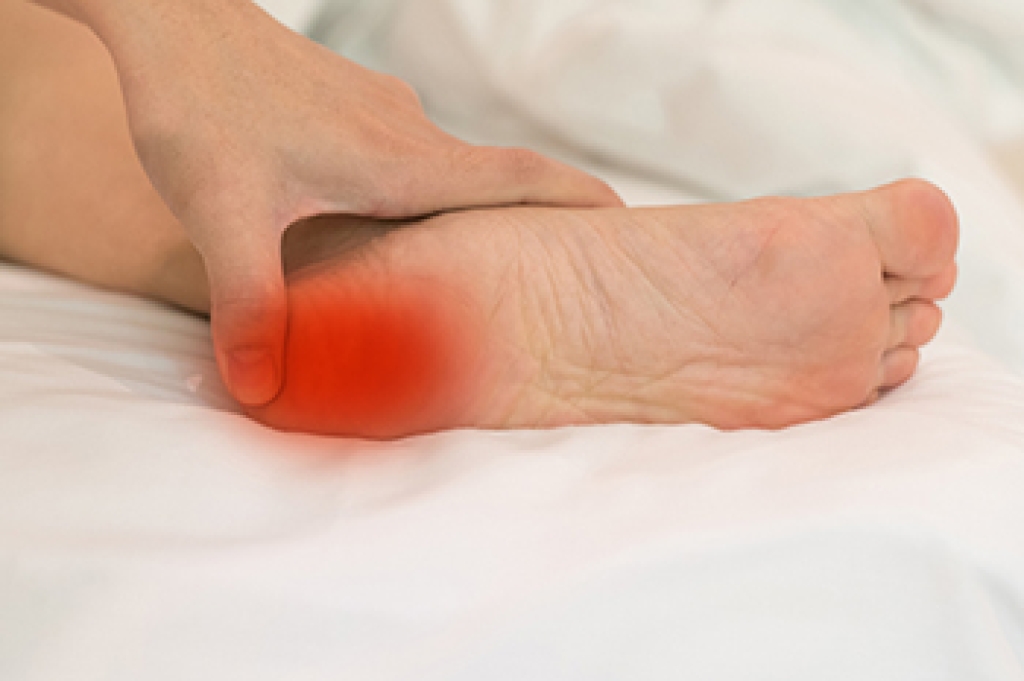
Heel spurs are bony growths that form on the calcaneus, or heel bone, after long-term stress or irritation. These spurs often develop when repeated pulling from tight soft tissue at the back of the ankle places strain on the bone. Eventually, the body responds by laying down excess calcium, creating a pointed growth that looks like a spur. Heel spurs can form underneath the heel or at the back, sometimes causing a visible lump. Symptoms include sharp pain with the first steps in the morning, a lingering dull ache during the day, stiffness, numbness, or thickened skin from friction. A podiatrist can assess foot alignment, evaluate walking patterns, and order X-rays to confirm the diagnosis. Treatment options include custom orthotics, bracing, anti-inflammatory care, or surgery when necessary. If you have pain from heel spurs that affect daily activities, it is suggested that you make an appointment with a podiatrist for an exam, diagnosis, and treatment.

Heel spurs can be incredibly painful and sometimes may make you unable to participate in physical activities. To get medical care for your heel spurs, contact Cary Golub, DPM from New York. Our doctor will do everything possible to treat your condition.

Heels Spurs

Heel spurs are formed by calcium deposits on the back of the foot where the heel is. This can also be caused by small fragments of bone breaking off one section of the foot, attaching onto the back of the foot. Heel spurs can also be bone growth on the back of the foot and may grow in the direction of the arch of the foot.

Older individuals usually suffer from heel spurs and pain sometimes intensifies with age. One of the main condition's spurs are related to is plantar fasciitis.

Pain

The pain associated with spurs is often because of weight placed on the feet. When someone is walking, their entire weight is concentrated on the feet. Bone spurs then have the tendency to affect other bones and tissues around the foot. As the pain continues, the feet will become tender and sensitive over time.

Treatments

There are many ways to treat heel spurs. If one is suffering from heel spurs in conjunction with pain, there are several methods for healing. Medication, surgery, and herbal care are some options.

If you have any questions, please feel free to contact our offices located in Williston Park, and Long Beach, NY . We offer the newest diagnostic and treatment technologies for all your foot care needs.

Read more about Heel Spurs

Ankle Sprains Among Female Basketball Players

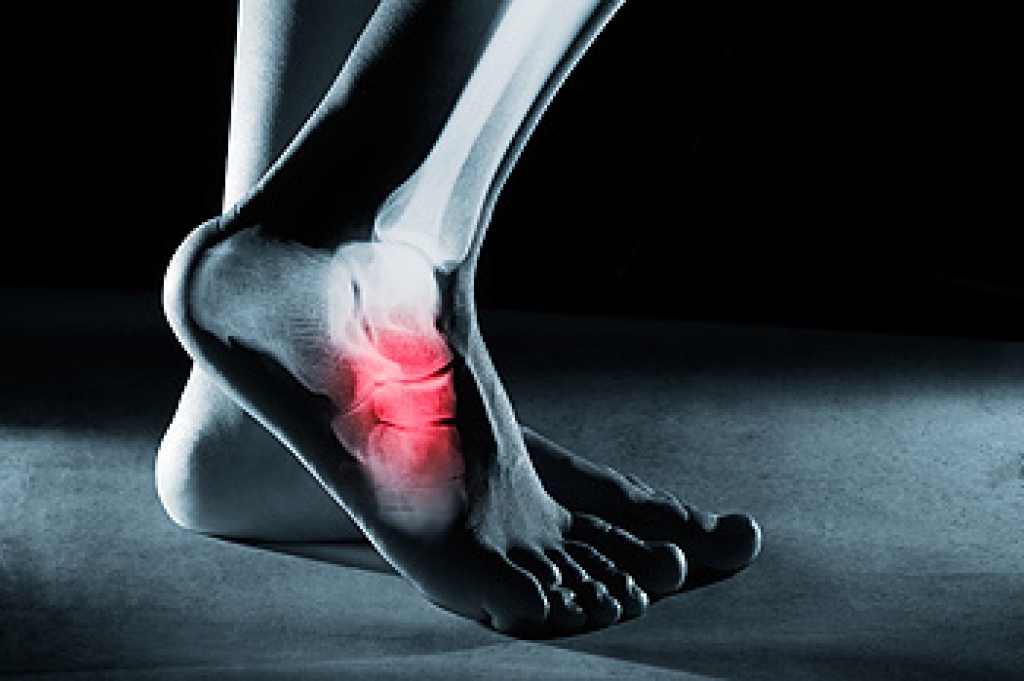
Ankle sprains are one of the most common injuries among female basketball players. The fast pace of the game requires repeated jumping, sudden direction changes, and quick stops, which place high stress on the ankle joint. An ankle sprain occurs when the ligaments, which are strong bands of tissue that connect bones to each other, are stretched or torn. Research following professional female players over two seasons found that ankle sprains led to significant time missed from games and practices. Most injuries occurred during games, often after contact with another player and frequently inside the key area of the court. A podiatrist can evaluate ankle stability, assess ligament damage, order imaging if needed, and provide bracing or other medical treatment to reduce the risk of repeat injury. If you have sprained an ankle, it is suggested that you make an appointment with a podiatrist for an exam, diagnosis, and treatment.

Although ankle sprains are common, they aren’t always minor injuries. If you need your ankle injury looked at, contact Cary Golub, DPM from New York. Our doctor can provide the care you need to keep you pain-free and on your feet.

How Does an Ankle Sprain Occur?

Ankle sprains are the result of a tear in the ligaments within the ankle. These injuries may happen when you make a rapid shifting movement while your foot is planted. A less common way to sprain your ankle is when your ankle rolls inward while your foot turns outward.

What Are the Symptoms?

  • Pain at the sight of the tear
  • Bruising/Swelling
  • Ankle area is tender to touch
  • In severe cases, may hear/feel something tear
  • Skin discoloration

Preventing a Sprain

  • Wearing appropriate shoes for the occasion
  • Stretching before exercises and sports
  • Knowing your limits

Treatment of a Sprain

In many cases, the RICE method (Rest, Ice, Compression, and Elevate) is used to treat ankle sprains. However, you should see a podiatrist to see which treatment option would work best with your injury. In severe cases, surgery may be required.

It is important to ask your doctor about rehab options after you receive treatment for your injury. Stretching, strength training, and balance exercises may help the ankle heal while also preventing further injury.

If you have any questions, please feel free to contact our offices located in Williston Park, and Long Beach, NY . We offer the newest diagnostic and treatment technologies for all your foot care needs.

Read more about Ankle Sprains

Connect With Us