
If you are suffering from tenderness, pain, or stiffness in the joints of your feet or ankles, call us to schedule an appointment.
If you are suffering from tenderness, pain, or stiffness in the joints of your feet or ankles, call us to schedule an appointment.
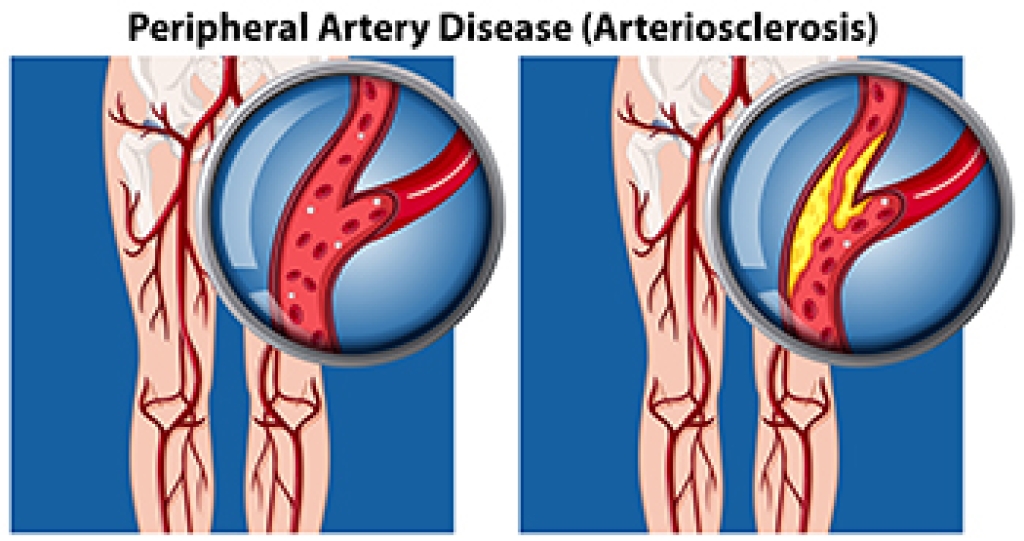
The abbreviation for peripheral artery disease is PAD, which is defined as restricted blood supply to the feet and legs. It is a common condition, and the symptoms that are generally experienced include foot pain while walking, hair loss on the legs, and the skin may change color or appear shiny. The majority of people with PAD have symptoms that develop gradually and may ultimately need medical attention. Diabetic patients often have this condition, as a result of elevated blood glucose levels. This serious condition may be improved, and relief can be found when lifestyle changes are implemented. These include eating healthy foods, reducing alcohol consumption, and losing weight, if needed. There may be existing medical reasons that can lead to developing PAD, such as high blood pressure, high cholesterol, and heart disease. One of the symptoms of PAD is the inability to feel cuts or scrapes on the feet. These may go undetected and can lead to infection, which in turn may lead to ulcers, gangrene or amputation. If you have symptoms of PAD, it is strongly suggested that you are under the regular care of a podiatrist who can effectively diagnose and treat this condition.
Peripheral artery disease can pose a serious risk to your health. It can increase the risk of stroke and heart attack. If you have symptoms of peripheral artery disease, consult with Cary Golub, DPM from New York. Our doctor will assess your condition and provide you with quality foot and ankle treatment.
Peripheral artery disease (PAD) is when arteries are constricted due to plaque (fatty deposits) build-up. This results in less blood flow to the legs and other extremities. The main cause of PAD is atherosclerosis, in which plaque builds up in the arteries.
Symptoms
Symptoms of PAD include:
It is important to note that a majority of individuals never show any symptoms of PAD.
Diagnosis
While PAD occurs in the legs and arteries, Podiatrists can diagnose PAD. Podiatrists utilize a test called an ankle-brachial index (ABI). An ABI test compares blood pressure in your arm to you ankle to see if any abnormality occurs. Ultrasound and imaging devices may also be used.
Treatment
Fortunately, lifestyle changes such as maintaining a healthy diet, exercising, managing cholesterol and blood sugar levels, and quitting smoking, can all treat PAD. Medications that prevent clots from occurring can be prescribed. Finally, in some cases, surgery may be recommended.
If you have any questions, please feel free to contact our offices located in Williston Park, and Long Beach, NY . We offer the newest diagnostic and treatment technologies for all your foot care needs.
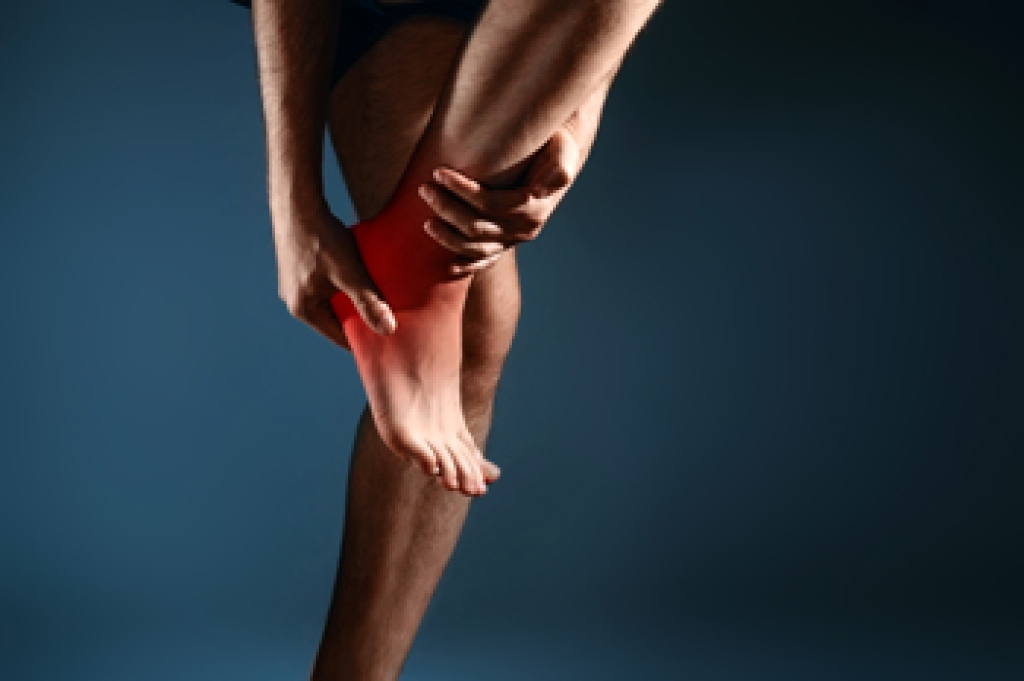
The tarsal tunnel is a narrow space that lies inside the ankle, next to the ankle bones. The tunnel is covered by a thick ligament that protects the arteries, veins, tendons, and nerves in the tunnel. The posterior tibial nerve within the tunnel is the focus of tarsal tunnel syndrome because it is the compression or squeezing of this nerve that produces symptoms along the path of the nerve running from the inside of the ankle into the foot. This condition is similar to carpal tunnel syndrome, which occurs in the wrist. Both arise from the compression of a nerve in a confined space. Those with flat feet, varicose veins, ankle sprains, or arthritis are more at risk for developing tarsal tunnel syndrome since these things can compress the nerve. When one has this syndrome, they might experience tingling or burning sensations, numbness, and/or pain on the inside of the ankle or on the bottom of the foot. These symptoms can also extend to the heel, arch, toes, and even calf. They are often brought on by overuse of the foot. It is important to seek treatment before permanent nerve damage results. If you think you may have tarsal tunnel syndrome or pain that resembles these symptoms, see a podiatrist as soon as possible for diagnosis and treatment that is right for you.
Tarsal tunnel syndrome can be very uncomfortable to live with. If you are experiencing tarsal tunnel syndrome, contact Cary Golub, DPM of New York. Our doctor can provide the care you need to keep you pain-free and on your feet.
Tarsal Tunnel Syndrome
Tarsal tunnel syndrome, which can also be called tibial nerve dysfunction, is an uncommon condition of misfiring peripheral nerves in the foot. The tibial nerve is the peripheral nerve in the leg responsible for sensation and movement of the foot and calf muscles. In tarsal tunnel syndrome, the tibial nerve is damaged, causing problems with movement and feeling in the foot of the affected leg.
Common Cause of Tarsal Tunnel Syndrome
The Effects of Tarsal Tunnel Syndrome
A physical exam of the leg can help identify the presence of tarsal tunnel syndrome. Medical tests, such as a nerve biopsy, are also used to diagnose the condition. Patients may receive physical therapy and prescriptive medication. In extreme cases, some may require surgery.
If you have any questions please contact our offices located in Williston Park, and Long Beach, NY . We offer the newest diagnostic and treatment technologies for all your foot and ankle needs.
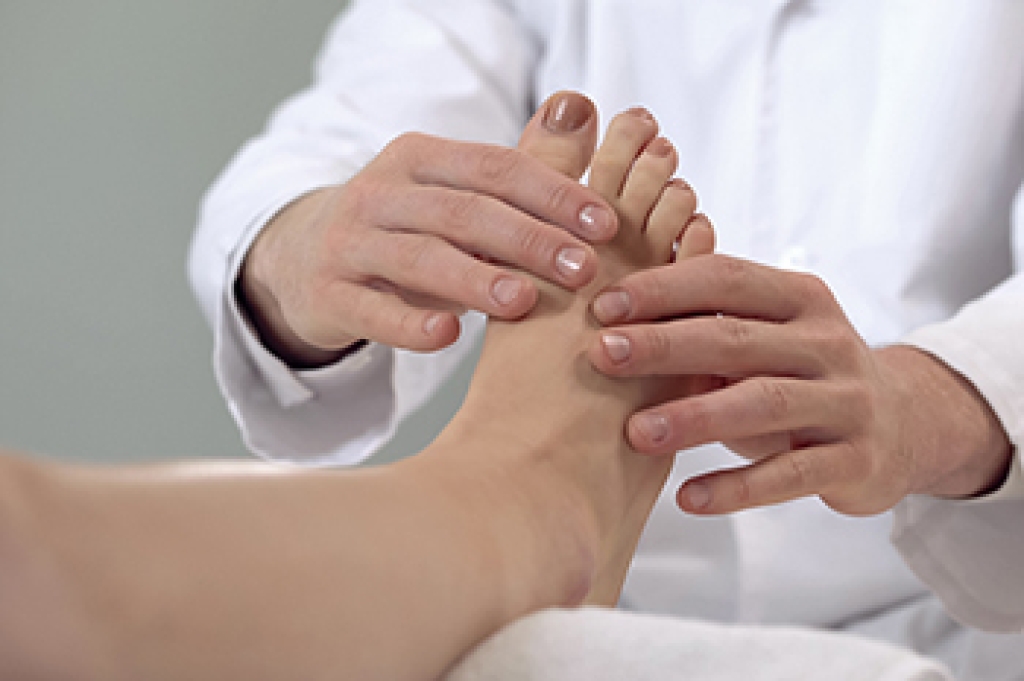
The feet carry the weight of the body, and it can help the overall body to keep them as healthy as possible. Stretching the feet is simple to do, and the benefits outweigh the time it takes to practice effective foot stretches. Specific stretches can improve range of motion, and may maintain strength and flexibility. An effective foot stretch is done sitting in a chair, with the feet flat on the floor. While keeping the toes on the ground, the heels are lifted until only the balls of the feet and toes can touch the ground. Also, the toes can become stronger when the foot is kept on the floor, while spreading the toes as wide as possible. Additionally, a good stretch for the toes involves crossing one leg over the other, and moving the toes with the hand back and forth. There are various stretches that can be done for different parts of the foot. If you would like more information about how to perform these, please consult a podiatrist.
Why Stretching Is Important for Your Feet
Stretching the feet is a great way to prevent injuries. If you have any concerns with your feet consult with Cary Golub, DPM from New York. Our doctor will assess your condition and provide you with quality foot and ankle treatment.
Stretching the Feet
Stretching the muscles in the foot is an important part in any physical activity. Feet that are tight can lead to less flexibility and make you more prone to injury. One of the most common forms of foot pain, plantar fasciitis, can be stretched out to help ease the pain. Stretching can not only ease pain from plantar fasciitis but also prevent it as well. However, it is important to see a podiatrist first to determine if stretching is right for you. Podiatrists can also recommend other ways to stretch your feet. Once you know whether stretching is right for you, here are some excellent stretches you can do.
It is best to go easy when first stretching your foot and work your way up. If your foot starts hurting, stop exercising to ice and rest the foot. It is advised that you then see a podiatrist for help.
If you have any questions please contact our offices located in Williston Park, and Long Beach, NY . We offer the newest diagnostic and treatment technologies for all your foot and ankle needs.
Osteoarthritis is the most common type of arthritis. It attacks the cartilage and reduces the cushioning between the bones, causing pain, stiffness, and inflammation. The foot has 26 bones, and each of the 30 joints that connect them contain cartilage that can become compromised by osteoarthritis. Most cases of osteoarthritis is the result of an injury, either to a ligament or to a bone. Because osteoarthritis is a chronic condition and cannot be cured, the only remedies are to treat the symptoms, in addition to making a few lifestyle changes. Range of motion and foot stretching exercises are recommended. Losing weight and following a healthy diet that is rich in omega-3 fatty acids, vitamin D, and calcium can help reduce both inflammation and pain. A podiatrist can offer more information on treating osteoarthritis in your feet, such as non-steroidal anti-inflammatory drugs or corticosteroid injections. In severe cases, arthroscopic or joint replacement surgery may be an option. It is a good idea to make an appointment today for a diagnosis and treatment plan.
Arthritis can be a difficult condition to live with. If you are seeking treatment, contact Cary Golub, DPM from New York. Our doctor can provide the care you need to keep you pain-free and on your feet.
Arthritic Foot Care
Arthritis is a term that is commonly used to describe joint pain. The condition itself can occur to anyone of any age, race, or gender, and there are over 100 types of it. Nevertheless, arthritis is more commonly found in women compared to men, and it is also more prevalent in those who are overweight. The causes of arthritis vary depending on which type of arthritis you have. Osteoarthritis for example, is often caused by injury, while rheumatoid arthritis is caused by a misdirected immune system.
Symptoms
Arthritic symptoms range in severity, and they may come and go. Some symptoms stay the same for several years but could potentially get worse with time. Severe cases of arthritis can prevent its sufferers from performing daily activities and make walking difficult.
Risk Factors
If you suspect your arthritis is affecting your feet, it is crucial that you see a podiatrist immediately. Your doctor will be able to address your specific case and help you decide which treatment method is best for you.
If you have any questions please feel free to contact our offices located in Williston Park, and Long Beach, NY . We offer the newest diagnostic tools and technology to treat your foot and ankle needs.
Connect With Us
