What Causes the Feet to Swell During Pregnancy?

It is very common for pregnant women to experience swelling in the feet and legs during pregnancy. This swelling occurs because the body holds more water than usual, and that water pools in the lower part of the body. The swelling can get very uncomfortable, but it is usually not harmful. However, it is important to note that if there is a sudden increase in swelling, it should be monitored as soon as possible, because this could be a sign of preeclampsia. Ways that swelling can be reduced include not standing for long periods of time, wearing comfortable shoes and socks that aren’t too tight, resting with the feet up, and consistently going for walks. Patients who are struggling with swelling feet during their pregnancy would be wise to consult with a podiatrist to help manage and monitor the situation. 

Pregnant women with swollen feet can be treated with a variety of different methods that are readily available. For more information about other cures for swollen feet during pregnancy, consult with Cary Golub, DPM from New York. Our doctor will attend to all of your foot and ankle needs.

What Foot Problems Can Arise During Pregnancy?

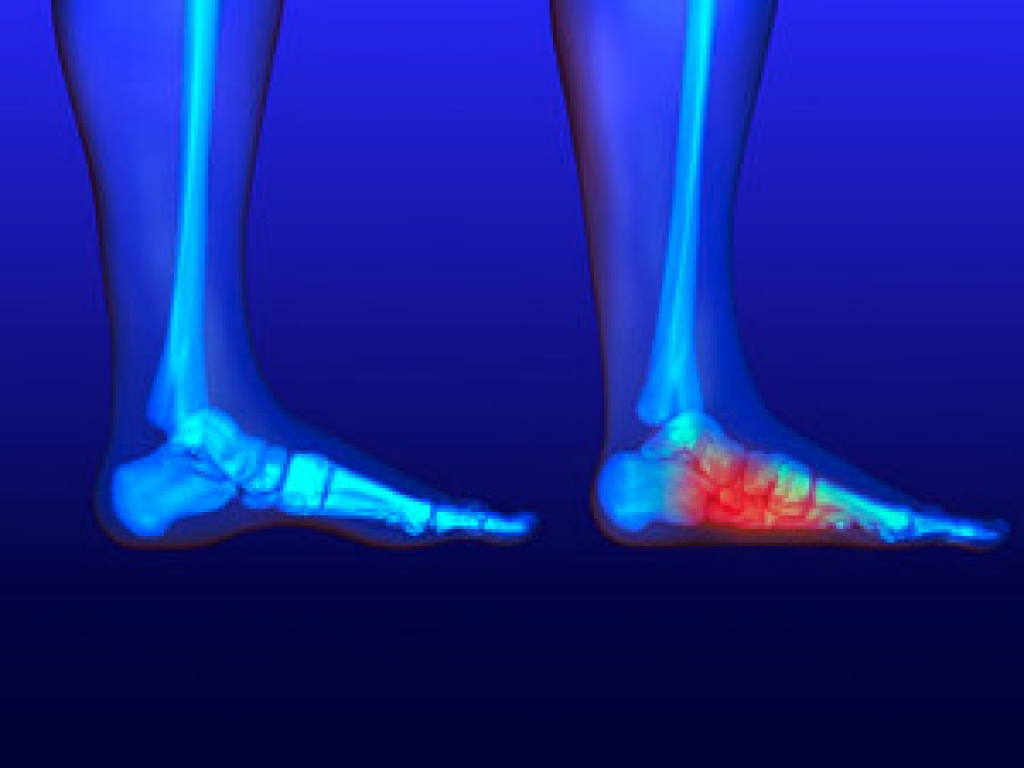
One problem that can occur is overpronation, which occurs when the arch of the foot flattens and tends to roll inward.  This can cause pain and discomfort in your heels while you’re walking or even just standing up, trying to support your baby.  

Another problem is edema, or swelling in the extremities. This often affects the feet during pregnancy but tends to occur in the later stages. 

How Can I Keep My Feet Healthy During Pregnancy?

  • Wearing orthotics can provide extra support for the feet and help distribute weight evenly
  • Minimize the amount of time spent walking barefoot
  • Wear shoes with good arch support
  • Wear shoes that allow for good circulation to the feet
  • Elevate feet if you experience swelling
  • Massage your feet
  • Get regular, light exercise, such as walking, to promote blood circulation to the feet

If you have any questions, please feel free to contact our offices located in Williston Park, and Long Beach, NY . We offer the newest diagnostic and treatment technologies for all your foot care needs.
Read more about Pregnancy and Foot Health

Are Bunions Affecting Your Everyday Life?

Have you noticed a bony protrusion on the side of your big toe? If so, you may have developed the foot condition known as a bunion. Don't let bunions interfere with your daily activities.

Heel Pain Location May Provide Clues to Its Cause

Heel pain is a very common occurrence. It is usually felt under the heel or at the back of the heel. When pain and inflammation is located on the bottom of the heel toward the front of the foot, plantar fasciitis is typically the cause. Plantar fasciitis is a painful inflammation of the plantar fascia tissue, which runs along the bottom of the foot and connects the heel with the toes. Other causes of heel pain on the bottom of the foot may be attributed to heel pad atrophy or heel spurs. If pain is felt at the back of the heel, Achilles tendonitis is often at the root of the cause. This condition occurs when the Achilles tendon, which attaches to the back of the heel bone, becomes damaged or torn over time, causing pain and swelling. Other possible causes include bursitis, Sever’s disease, and heel bumps. Pain from a heel stress fracture can occur anywhere on the heel, and tarsal tunnel syndrome can cause heel pain underneath the ankle bone. Heel pain can also be caused by neurological issues, infections and arthritis. Unless you suffer an acute injury, heel pain typically starts out mild, but can become severe. If you are experiencing any type of heel pain, don’t hesitate to contact a podiatrist to find out the cause and take measures to keep it from worsening or becoming chronic or debilitating.

Many people suffer from bouts of heel pain. For more information, contact Cary Golub, DPM of New York. Our doctor can provide the care you need to keep you pain-free and on your feet.

Causes of Heel Pain

Heel pain is often associated with plantar fasciitis. The plantar fascia is a band of tissues that extends along the bottom of the foot. A rip or tear in this ligament can cause inflammation of the tissue.

Achilles tendonitis is another cause of heel pain. Inflammation of the Achilles tendon will cause pain from fractures and muscle tearing. Lack of flexibility is also another symptom.

Heel spurs are another cause of pain. When the tissues of the plantar fascia undergo a great deal of stress, it can lead to ligament separation from the heel bone, causing heel spurs.

Why Might Heel Pain Occur?

  • Wearing ill-fitting shoes                
  • Wearing non-supportive shoes
  • Weight change           
  • Excessive running

Treatments

Heel pain should be treated as soon as possible for immediate results. Keeping your feet in a stress-free environment will help. If you suffer from Achilles tendonitis or plantar fasciitis, applying ice will reduce the swelling. Stretching before an exercise like running will help the muscles. Using all these tips will help make heel pain a condition of the past.

If you have any questions, please feel free to contact our offices located in Williston Park, and Long Beach, NY . We offer the newest diagnostic and treatment technologies for all your foot care needs.

Read more about Heel Pain

Replacing Your Walking Shoes After 500 Miles

Did you know that you can only walk in a pair of shoes for approximately 500 miles before the cushioning, tread, and insole get worn out? Wearing shoes for longer than that can be bad for your feet and may even lead to an injury like plantar fasciitis or even an ankle sprain. Here are a few pointers for getting your next pair of walking shoes. Be sure to get your feet measured properly so you can ensure the right fit. Pro tip: you’ll generally want to go up a size from your regular shoes to accommodate for feet that can swell from at least a half hour of walking. Lacing your walking shoes using a “runner's loop” will allow your toes to expand while keeping your heel in place at the heel cup. Make sure your socks fit properly too—and aren’t too big or too tight—and are made of a synthetic, moisture wicking material that draws sweat away from your feet. If you like to alternate your walking shoes to allow them time to dry out between use, try to use the same brand and style so you don’t confuse your muscles. For expert advice on walking shoes to support and cushion your particular feet (while addressing any gait issues you may have), consult with a podiatrist.

For more information about walking shoes versus running shoes, consult with Cary Golub, DPM from New York. Our doctor can measure your feet to determine what your needs are and help you find an appropriate pair of footwear.

Foot Health: The Differences between Walking & Running Shoes

There are great ways to stay in shape: running and walking are two great exercises to a healthy lifestyle. It is important to know that running shoes and walking shoes are not interchangeable. There is a key difference on how the feet hit the ground when someone is running or walking. This is why one should be aware that a shoe is designed differently for each activity.

You may be asking yourself what the real differences are between walking and running shoes and the answers may shock you.

Differences

Walking doesn’t involve as much stress or impact on the feet as running does. However, this doesn’t mean that you should be any less prepared. When you’re walking, you land on your heels and have your foot roll forward. This rolling motion requires additional support to the feet.

Flexibility – Walking shoes are designed to have soft, flexible soles. This allows the walker to push off easily with each step.

If you have any questions, please feel free to contact our offices located in Williston Park, and Long Beach, NY . We offer the newest diagnostic and treatment technologies for all your foot care needs.

Read more about Walking Shoes vs. Running Shoes

Managing Sesamoiditis

Sesamoiditis, an inflammation of the two tiny sesamoid bones located just beneath the big toe, can cause foot pain in the ball of the foot. A bone scan or MRI, in addition to a physical examination, are typically needed to diagnose this condition. There are various means for managing sesamoiditis. These include immobilizing and resting the affected foot, wearing orthotics, taking non-steroidal anti-inflammatory medications to reduce pain, applying ice to the area, and going to physical therapy. If these management strategies don’t provide adequate relief, corticosteroid injections directly into the foot may help. If you are suffering from foot pain, it's a good idea to schedule an appointment with a podiatrist near you. 

Sesamoiditis is an unpleasant foot condition characterized by pain in the balls of the feet. If you think you’re struggling with sesamoiditis, contact Cary Golub, DPM of New York. Our doctor will treat your condition thoroughly and effectively.

Sesamoiditis

Sesamoiditis is a condition of the foot that affects the ball of the foot. It is more common in younger people than it is in older people. It can also occur with people who have begun a new exercise program, since their bodies are adjusting to the new physical regimen. Pain may also be caused by the inflammation of tendons surrounding the bones. It is important to seek treatment in its early stages because if you ignore the pain, this condition can lead to more serious problems such as severe irritation and bone fractures.

Causes of Sesamoiditis

  • Sudden increase in activity
  • Increase in physically strenuous movement without a proper warm up or build up
  • Foot structure: those who have smaller, bonier feet or those with a high arch may be more susceptible

Treatment for sesamoiditis is non-invasive and simple. Doctors may recommend a strict rest period where the patient forgoes most physical activity. This will help give the patient time to heal their feet through limited activity. For serious cases, it is best to speak with your doctor to determine a treatment option that will help your specific needs.

If you have any questions, please feel free to contact our offices located in Williston Park, and Long Beach, NY . We offer the newest diagnostic and treatment technologies for all your foot care needs.

Read more about Sesamoiditis

Connect With Us