What Is a Plantar Fibroma?

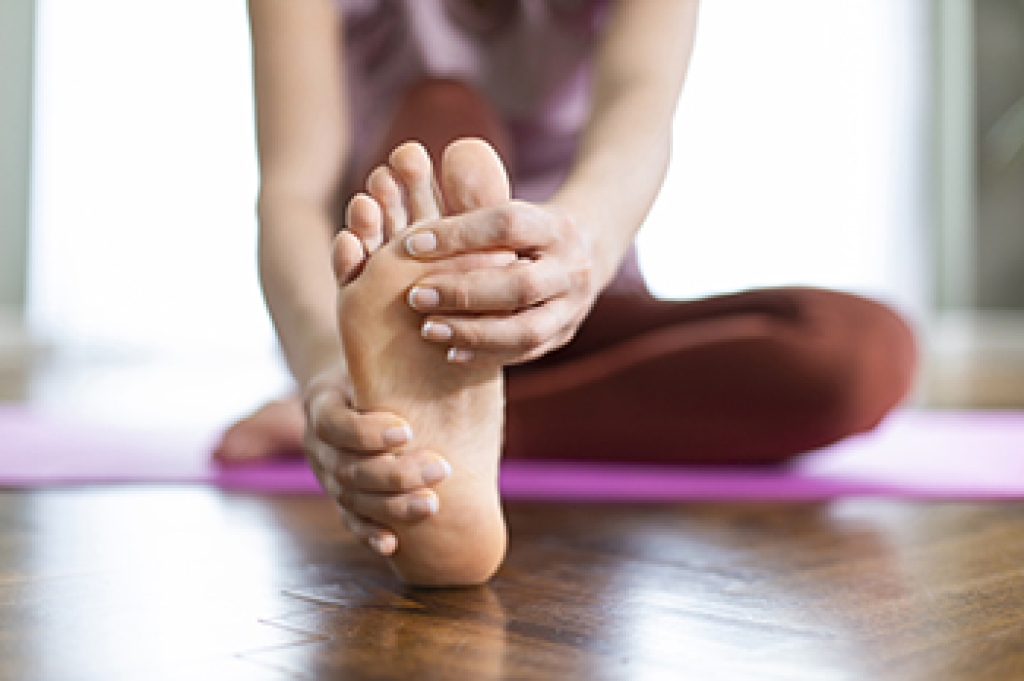
A plantar fibroma is a benign, noncancerous, growth that is less than one inch in size and develops in the arch of the foot. It grows in the plantar fascia, the thick, fibrous tissue that runs across the bottom of the foot and stabilizes the foot arch. A plantar fibroma can develop on one or both feet. Anyone can develop a plantar fibroma, but it is most apt to occur in young or middle-aged adults and males. This growth appears on the bottom of the foot in the middle of the arch. It is characterized by small bumps that can be painless at first but become painful as the nodules grow larger. Since there is no known cause of a plantar fibroma, there is no way to prevent it. If you suspect you have a plantar fibroma, consult with a podiatrist who can make a diagnosis and provide treatment for it, or any other foot or ankle condition found.

A plantar fibroma may disrupt your daily activities. If you have any concerns, contact Cary Golub, DPM of New York. Our doctor can provide the care you need to keep you pain-free and on your feet.

Plantar Fibroma

A plantar fibroma is a fibrous knot in the arch of the foot. It is embedded in the plantar fascia which is a band of tissue that extends from the heel to the toes along the bottom of the foot. There can be multiple plantar fibromas in the feet at the same time. There are no known causes for this condition. If you have a plantar fibroma, there will be a bump in the arch of your foot that cannot be missed. Any associated pain is most often due to a shoe rubbing against the nodule. Non-surgical options, such as steroid injections, physical therapy, and orthotics should be tried first. Surgery is a last resort and is the only thing that will remove a plantar fibroma entirely. Consult with a podiatrist for a proper diagnosis and to determine the treatment regimen that is right for you.

What Causes a Plantar Fibroma?

While there are no specific causes identified, a plantar fibroma can possibly come from genetic predisposition or the formation of scar tissue that forms from healing the tears in the plantar fascia.

What Are the Symptoms of a Plantar Fibroma?

There will be a noticeable lump in the arch of the foot that may or may not cause pain. If pain is felt, it is typically because a shoe is rubbing up against the lump or when walking or standing barefoot.

Treatment and Prevention

A plantar fibroma will not disappear without treatment, but it can get smaller and be a non-issue. If pain persists, a podiatrist examines the foot and when the arch of the foot is pressed, pain can be felt down to the toes. An MRI or biopsy might be performed to help diagnose or evaluate the plantar fibroma. The following non-surgical options are generally enough to reduce the size and pain of these nodules:

  • Steroid injections
  • Orthotics
  • Physical therapy to help apply anti-inflammatory creams on the bump 

Surgery is considered if the mass increases in size and the patient continues to feel pain after non-surgical methods are tried.

If you have any questions, please feel free to contact our offices located in Williston Park, and Long Beach, NY . We offer the newest diagnostic and treatment technologies for all your foot care needs.

Read more about Plantar Fibroma

It's Time for Beautiful Feet

You don't need an excuse to have beautiful nails. Step outside without worrying about the appearance of your feet.

Children’s Foot Pain

When a child complains about pain in their leg, it might be coming from a problem with their foot. Flat feet, or feet without a well-developed arch, is common among children. While some kids might not experience any symptoms of flat feet, others might feel cramping or tenderness in their feet, lower leg, or knee. They might limp or show an aversion to athletic activities and walking because of pain in their feet. While foot pain in children might be from growing, it could be something else that deserves examination by a qualified podiatrist. They might have a structural abnormality of the foot that requires orthotics or surgery. If your child complains of foot or leg pain, it is suggested you consult with a podiatrist who can properly diagnose their condition and offer treatment options.

The health of a child’s feet is vital to their overall well-being. If you have any questions regarding foot health, contact Cary Golub, DPM of New York. Our doctor can provide the care you need to keep you pain-free and on your feet.

Tips for Keeping Children's Feet Healthy

  • Make sure their shoes fit properly
  • Look for any signs of in-toeing or out-toeing
  • Check to see if they have Clubfoot (condition that affects your child’s foot and ankle, twisting the heel and toes inward) which is one of the most common nonmajor birth defects.
  • Lightly cover your baby’s feet (Tight covers may keep your baby from moving their feet freely, and could prevent normal development)
  • Allow your toddler to go shoeless (Shoes can be restricting for a young child’s foot)
  • Cut toenails straight across to avoid ingrown toenails
  • Keep your child’s foot clean and dry
  • Cover cuts and scrapes. Wash any scratches with soap and water and cover them with a bandage until they’ve healed.

If you have any questions, please feel free to contact our offices located in Williston Park, and Long Beach, NY . We offer the newest diagnostic and treatment technologies for all your foot care needs.

Read more about How to Care for Your Child's Feet

The Pros and Cons of Wearing Flip Flops

The simplicity of wearing flip flops during the summer months is appealing for many people. They are designed in different colors and styles, and have become a popular shoe. Despite their ease, they lack structural support, and this can affect the ankles, calves, heels, and feet. They are beneficial to wear in public areas where there are swimming pools and locker rooms. They are considered to be an appropriate shoe that may help to prevent athlete’s foot and toenail fungus while worn in these types of areas. Flip flops can be purchased with cushioned soles, and leather material. Additionally, it is beneficial to choose these types of shoes that have a strap in the back, which can be helpful in keeping the shoe on the foot. When the wrong type of flips flops are worn, the gait may gradually be affected, and pain may be felt in the feet. If you would like more information about the pros and cons of wearing flip flops, please schedule an appointment with a podiatrist.

Flip-flops can cause a lot of problems for your feet. If you have any concerns about your feet or ankles, contact Cary Golub, DPM from New York. Our doctor will assist you with all of your foot and ankle needs.

Flip-Flops and Feet

Flip-flops have managed to become a summer essential for a lot of people. While the shoes may be stylish and easy to slip on and off, they can be dangerous to those who wear them too often. These shoes might protect you from fungal infections such as athlete’s foot, but they can also give you foot pain and sprained ankles if you trip while wearing them.

When Are They Okay to Wear?

Flip-flops should only be worn for very short periods of time. They can help protect your feet in places that are crawling with fungi, such as gym locker rooms. Athlete’s foot and plantar warts are two common fungi that flip-flops may help protect your feet against.

Why Are They Bad for My Feet?

These shoes do not offer any arch support, so they are not ideal for everyday use. They also do not provide shock absorption or heel cushioning which can be problematic for your feet. Additionally, you may suffer from glass cuts, puncture wounds, and stubbed toes since they offer little protection for your feet.

More Reasons Why They Are Bad for Your Feet

  • They Slow You Down
  • May Cause Blisters and Calluses
  • Expose Your Feet to Bacteria

If you have any questions, please feel free to contact our offices located in Williston Park, and Long Beach, NY . We offer the newest diagnostic and treatment technologies for all your foot care needs.

Read more about Flipping Out About Flip Flops

Achilles Tendinopathy: A Common Sports Injury

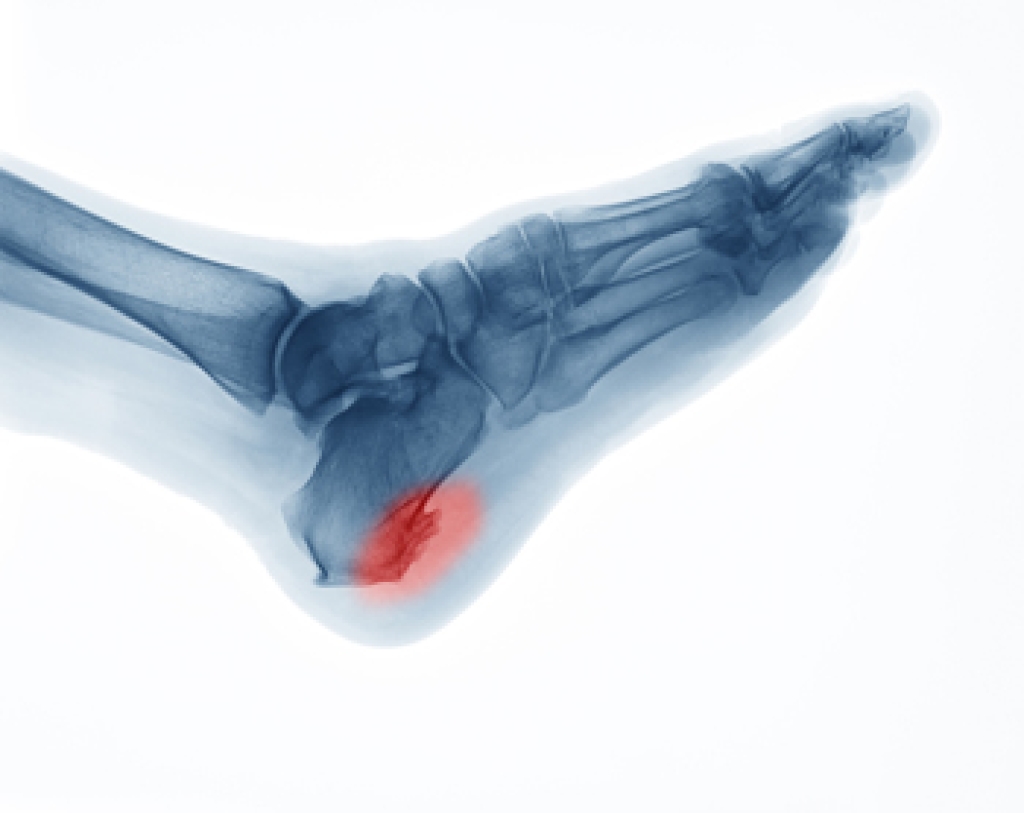
The Achilles tendon attaches the heel bone with the calf muscles and helps make plantar flexion possible (bending your foot downward at the ankle). Tennis players, dancers, and runners in particular engage their Achilles tendon constantly, and can sometimes suffer an overuse injury known as Achilles tendinopathy. Achilles tendinopathy usually develops when tiny repeated injuries (micro-traumas) to the Achilles tendon occur and never fully or properly heal. This repeated wear and damage compounds over time and eventually causes the Achilles tendon to become swollen, stiff, and painful. Poor training habits can also be a precursor to Achilles tendinopathy, such as training on hard/sloped surfaces, using improper technique, wearing inadequate footwear, and increasing the intensity or frequency of your workouts too rapidly. If you believe you have Achilles tendinopathy, it is suggested that you consult with a podiatrist as soon as possible. A podiatrist can relieve your symptoms while helping to heal the Achilles tendon properly with various techniques and therapies, exercises, painkillers, orthotics, and more. 

Sports related foot and ankle injuries require proper treatment before players can go back to their regular routines. For more information, contact Cary Golub, DPM of New York. Our doctor can provide the care you need to keep you pain-free and on your feet.

Sports Related Foot and Ankle Injuries

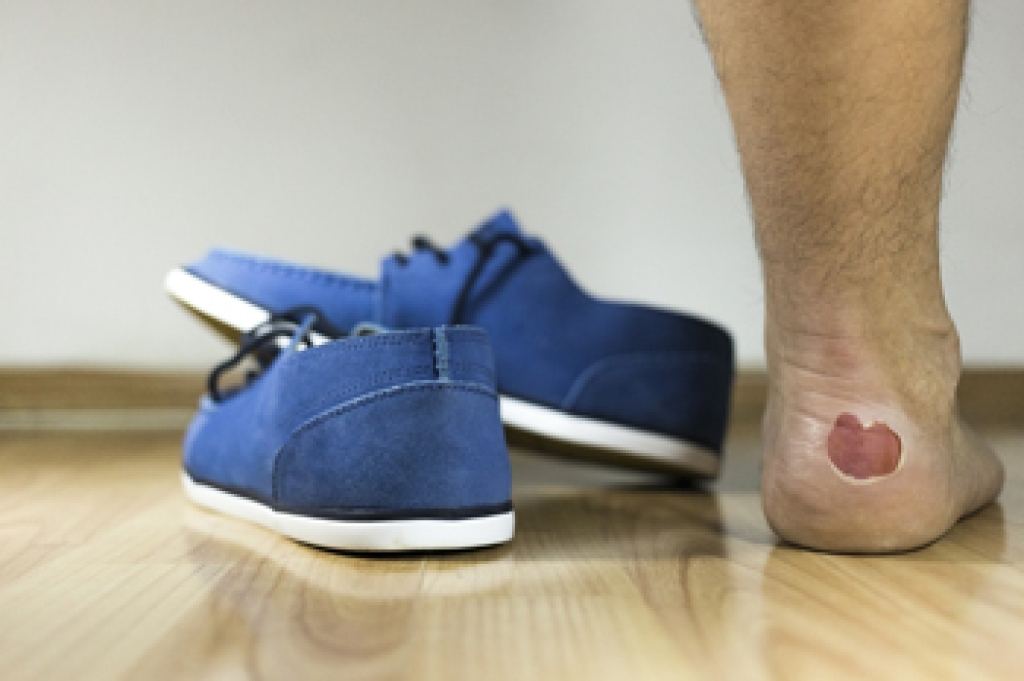
Foot and ankle injuries are a common occurrence when it comes to athletes of any sport. While many athletes dismiss the initial aches and pains, the truth is that ignoring potential foot and ankle injuries can lead to serious problems. As athletes continue to place pressure and strain the area further, a mild injury can turn into something as serious as a rupture and may lead to a permanent disability. There are many factors that contribute to sports related foot and ankle injuries, which include failure to warm up properly, not providing support or wearing bad footwear. Common injuries and conditions athletes face, including:

  • Plantar Fasciitis
  • Achilles Tendinitis
  • Achilles Tendon Rupture
  • Ankle Sprains

Sports related injuries are commonly treated using the RICE method. This includes rest, applying ice to the injured area, compression and elevating the ankle. More serious sprains and injuries may require surgery, which could include arthroscopic and reconstructive surgery. Rehabilitation and therapy may also be required in order to get any recovering athlete to become fully functional again. Any unusual aches and pains an athlete sustains must be evaluated by a licensed, reputable medical professional.

If you have any questions please contact our offices located in Williston Park, and Long Beach, NY . We offer the newest diagnostic and treatment technologies for all your foot and ankle needs.
Read more about Sports Related Foot and Ankle Injuries

Connect With Us