
Gout is a painful, inflammatory form of arthritis. Those affected will typically feel an intense stiffness in the joints of their feet, particularly in the big toe. Schedule a visit to learn about how gout can be managed and treated.
Gout is a painful, inflammatory form of arthritis. Those affected will typically feel an intense stiffness in the joints of their feet, particularly in the big toe. Schedule a visit to learn about how gout can be managed and treated.

The overall health of the body may improve when the feet feel good. This can be accomplished by performing specific foot stretches that may help foot strength and flexibility. Research has shown that strong feet may reduce the chances of falling and getting hurt, and exercises and foot stretches can be practiced several days per week. An effective stretch is called the toe raise, point and curl stretch, and can be performed while sitting in a chair. This is done by curling the toes under the feet, followed by lifting them up. The toes can become stronger while spreading them as far apart as possible, which is effective in strengthening the muscles and tendons between the toes. A toe curl is done by picking up a towel or marble with the toes, releasing, and then repeated several times. The big toe is important in maintaining balance in the body, and can be strengthened by pulling it forward and back. If you would like to learn about additional ways to stretch the feet, please consult with a podiatrist who can guide you toward the correct techniques.
Stretching the feet is a great way to prevent injuries. If you have any concerns with your feet consult with Cary Golub, DPM from New York. Our doctor will assess your condition and provide you with quality foot and ankle treatment.
Stretching the Feet
Being the backbone of the body, the feet carry your entire weight and can easily become overexerted, causing cramps and pain. As with any body part, stretching your feet can serve many benefits. From increasing flexibility to even providing some pain relief, be sure to give your feet a stretch from time to time. This is especially important for athletes or anyone performing aerobic exercises, but anyone experiencing foot pain or is on their feet constantly should also engage in this practice.
Great ways to stretch your feet:
Individuals who tend to their feet by regular stretching every day should be able to minimize foot pain and prevent new problems from arising.
If you have any questions please contact our offices located in Williston Park, and Long Beach, NY . We offer the newest diagnostic and treatment technologies for all your foot and ankle needs.

Selecting the right kind of running shoe is critically important for any runner to not only feel their best during runs, but to also protect their feet from potential injury. Far more important than selecting a pair of running shoes for how they look is selecting shoes that fit. Something to be mindful of when choosing running shoes is how the ankle collar fits. This part of the running shoe wraps around the heel at the back of the shoe. The purpose of this feature of the shoe is to hold the heel in place. When selecting a pair of shoes, you might consider taking note of how the back of your foot interacts with the ankle collar. For example, notice if the padding in the ankle collar feels comfortable or if your heel is slipping out of the shoe. For more information about the ankle collar in running shoes, contact a podiatrist today.
If you are a runner, wearing the right running shoe is essential. For more information, contact Cary Golub, DPM from New York. Our doctor can provide the care you need to keep you pain-free and on your feet.
Choosing the Right Running Shoe for Your Foot Type
To increase performance and avoid the risk of injury, it is important to choose the right running shoe based on your foot type. The general design of running shoes revolves around pronation, which is how the ankle rolls from outside to inside when the foot strikes the ground.
If you have any questions, please feel free to contact our offices located in Williston Park, and Long Beach, NY . We offer the newest diagnostic and treatment technologies for all your foot care needs.

The feet are a complicated part of our bodies. Each foot consists of 26 bones, 33 joints, and many tendons, ligaments, and muscles. A variety of conditions can affect the feet and cause discomfort, which can limit mobility. At times things happen to change the structure and mechanics of the foot and surgery may be required. Foot surgery is typically considered when more conservative approaches do not work. It is often done to reduce pain, correct a deformity, or restore foot functioning. Some examples of foot surgery include bunion surgery, hammertoe surgery, and heel surgery. If you suffer from foot pain that is not relieved by rest or a change of shoes, see a podiatrist for an evaluation and treatment. Foot surgery can usually be prevented if problems are treated in a timely manner.
Foot surgery is sometimes necessary to treat a foot ailment. To learn more, contact Cary Golub, DPM of New York. Our doctor will assist you with all of your foot and ankle needs.
When Is Surgery Necessary?
Foot and ankle surgery is generally reserved for cases in which less invasive, conservative procedures have failed to alleviate the problem. Some of the cases in which surgery may be necessary include:
What Types of Surgery Are There?
The type of surgery you receive will depend on the nature of the problem you have. Some of the possible surgeries include:
Benefits of Surgery
Although surgery is usually a last resort, it can provide more complete pain relief compared to non-surgical methods and may allow you to finally resume full activity.
Surgical techniques have also become increasingly sophisticated. Techniques like endoscopic surgery allow for smaller incisions and faster recovery times.
If you have any questions, please feel free to contact our offices located in Williston Park, and Long Beach, NY . We offer the newest diagnostic and treatment technologies for all your foot care needs.
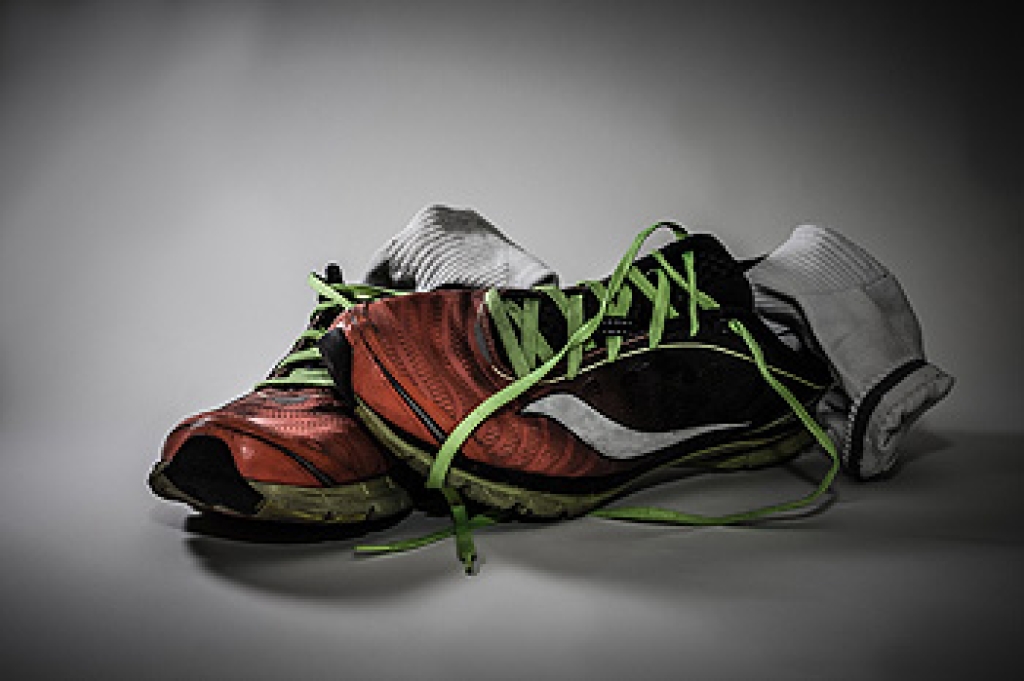
Blisters that form on the bottom of the feet can take the joy out of running, exercising, and participating in sporting activities. Blisters are common among athletes. So many seek to know their cause and how to care for them. A blister typically forms due to excessive friction from wearing shoes and socks that do not fit correctly. A bubble filled with liquid will form and remain that way until the raw skin underneath it has healed. Blisters on the bottom of the foot may heal faster when a gauze bandage is applied. The bandage can also provide the protection needed to avoid premature popping. Elevating the foot at the end of the day may be beneficial, as well as removing the bandage to allow air to reach the blister. Soaking the feet in warm water may help keep the blister clean, which can help to prevent an infection from developing. Blisters on the bottom of the feet can be bothersome, so if you are afflicted with one or more, please consult a podiatrist who can guide you toward the correct treatment.
Blisters are prone to making everyday activities extremely uncomfortable. If your feet are hurting, contact Cary Golub, DPM of New York. Our doctor can provide the care you need to keep you pain-free and on your feet.
Foot Blisters
Foot blisters develop as a result of constantly wearing tight or ill-fitting footwear. This happens due to the constant rubbing from the shoe, which can often lead to pain.
What Are Foot Blisters?
A foot blister is a small fluid-filled pocket that forms on the upper-most layer of the skin. Blisters are filled with clear fluid and can lead to blood drainage or pus if the area becomes infected.
How Do Blisters Form?
Blisters on the feet are often the result of constant friction of skin and material, usually by shoe rubbing. Walking in sandals, boots, or shoes that don’t fit properly for long periods of time can result in a blister. Having consistent foot moisture and humidity can easily lead to blister formation.
Prevention & Treatment
It is important to properly care for the affected area in order to prevent infection and ease the pain. Do not lance the blister and use a Band-Aid to provide pain relief. Also, be sure to keep your feet dry and wear proper fitting shoes. If you see blood or pus in a blister, seek assistance from a podiatrist.
If you have any questions, please feel free to contact our offices located in Williston Park, and Long Beach, NY . We offer the newest diagnostic and treatment technologies for all your foot care needs.
Connect With Us
