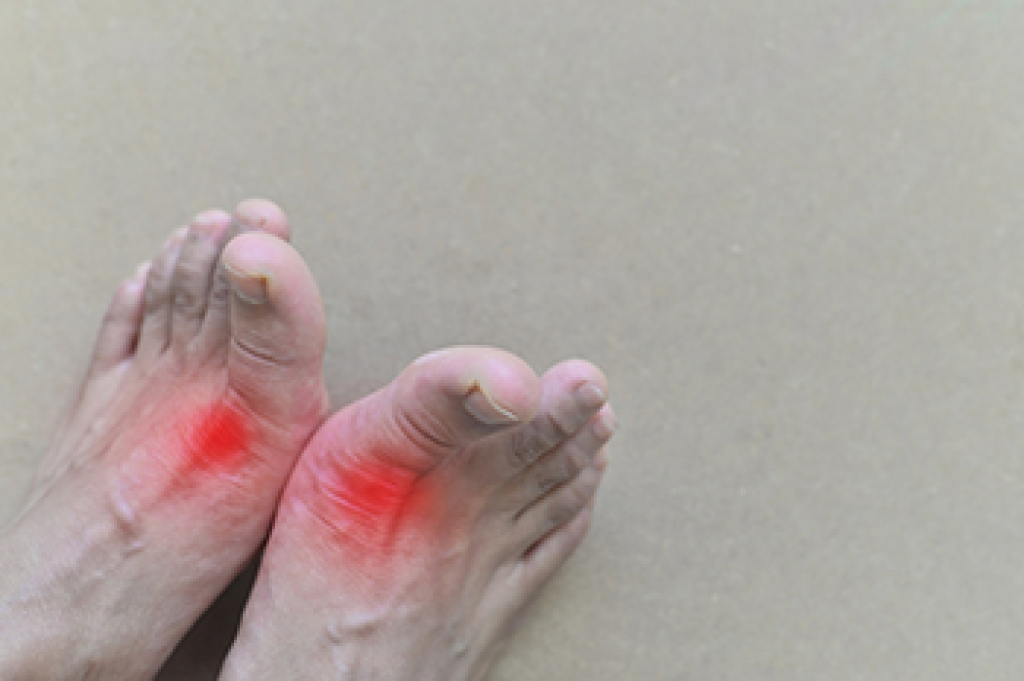
Why High Heels Can Cause Foot Pain

High heels came into being for some practical and vanity reasons. Men wore them so their feet fit better in stirrups when horseback riding and women wore them because they made their feet look smaller, their bodies look taller, and their legs more elongated and toned in appearance. When high heels are worn, the foot is put at a forward angle causing one to walk on their toes and changing body biomechanics, posture, and gait. This leads to a greater risk of injury and the development of painful chronic foot conditions. The higher the heel and the longer the wear, the greater the risks. When wearing high heels, one’s body struggles to stay balanced and various painful foot conditions can develop as a result, such as plantar fasciitis. If you want to continue wearing high heels, try to alternate them with other footwear, vary heel heights of shoes, and stretch calf muscles so they will not be shortened and tight. If your foot pain does not resolve, consult with a podiatrist for proper diagnosis and treatment.

High heels have a history of causing foot and ankle problems. If you have any concerns about your feet or ankles, contact Cary Golub, DPM from New York. Our doctor can provide the care you need to keep you pain-free and on your feet.

Effects of High Heels on the Feet

High heels are popular shoes among women because of their many styles and societal appeal.  Despite this, high heels can still cause many health problems if worn too frequently.

Which Parts of My Body Will Be Affected by High Heels?

  • Ankle Joints
  • Achilles Tendon – May shorten and stiffen with prolonged wear
  • Balls of the Feet
  • Knees – Heels cause the knees to bend constantly, creating stress on them
  • Back – They decrease the spine’s ability to absorb shock, which may lead to back pain.  The vertebrae of the lower back may compress.

What Kinds of Foot Problems Can Develop from Wearing High Heels?

  • Corns
  • Calluses
  • Hammertoe
  • Bunions
  • Morton’s Neuroma
  • Plantar Fasciitis

How Can I Still Wear High Heels and Maintain Foot Health?

If you want to wear high heeled shoes, make sure that you are not wearing them every day, as this will help prevent long term physical problems.  Try wearing thicker heels as opposed to stilettos to distribute weight more evenly across the feet.  Always make sure you are wearing the proper shoes for the right occasion, such as sneakers for exercising.  If you walk to work, try carrying your heels with you and changing into them once you arrive at work.  Adding inserts to your heels can help cushion your feet and absorb shock. Full foot inserts or metatarsal pads are available. 

If you have any questions, please feel free to contact our offices located in Williston Park, and Long Beach, NY . We offer the newest diagnostic and treatment technologies for all your foot care needs.
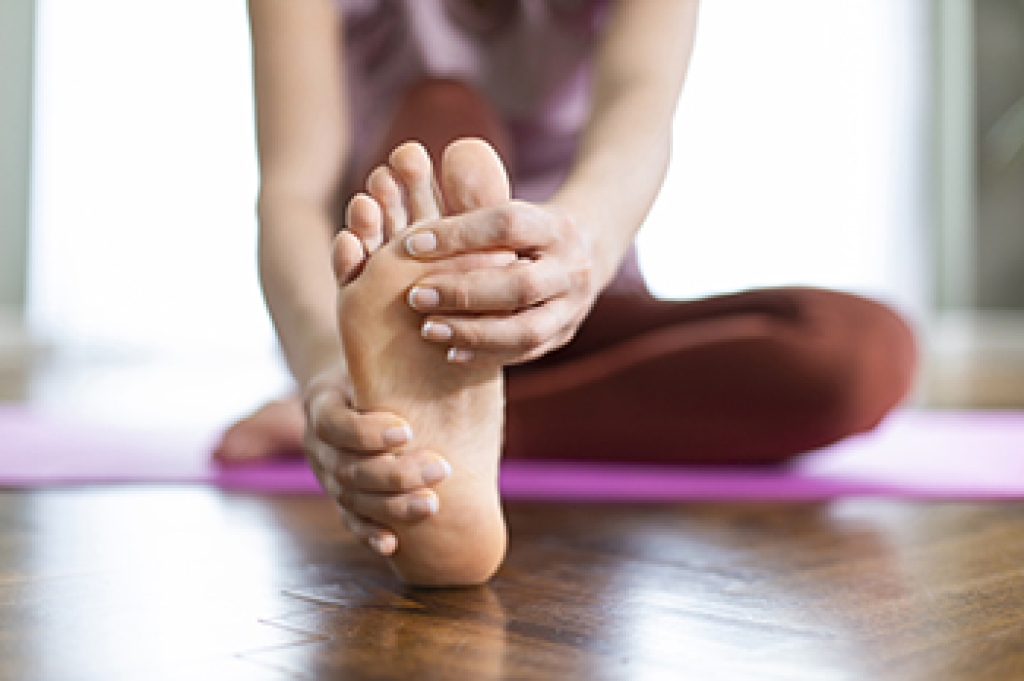
Read more about Effect of High Heels on the Feet

Wounds That Don't Heal Need to Be Checked

Your feet are covered most of the day. If you're diabetic, periodic screening is important for good health. Numbness is often a sign of diabetic foot and can mask a sore or wound.

Facts About Athlete’s Foot

Athlete’s foot, also known as tinea pedis, is a common ailment caused by a fungal infection. It typically causes a skin rash characterized by itching, peeling, and cracking of the skin between the toes and on the sole of the foot. Since athlete’s foot is highly contagious, it can easily be spread to other people and other parts of your own body. Walking barefoot in swimming pool locker rooms and gym showers are common ways to obtain it. The fungi then continue to breed in your shoes, which can provide a moist, warm environment where the fungi thrive. Sharing towels or clothing that has been infected is another way it spreads. The three main types of athlete’s foot infections are toe web, moccasin type, and vesicular. Toe web infection usually forms between the toes. Moccasin type infection starts with soreness and spreads to the sole and heel, and in severe cases can infect toenails. Vesicular infection erupts into blisters, usually on the sole of your foot. Treatment of athlete’s foot depends on which type of infection you have developed. Ceasing the spread as soon as possible is essential, therefore, it is a good idea to immediately consult a podiatrist for a diagnosis and treatment plan. 

Athlete’s foot is an inconvenient condition that can be easily reduced with the proper treatment. If you have any concerns about your feet and ankles, contact Cary Golub, DPM from New York.  Our doctor will treat your foot and ankle needs.

Athlete’s Foot: The Sole Story

Athlete's foot, also known as tinea pedis, can be an extremely contagious foot infection. It is commonly contracted in public changing areas and bathrooms, dormitory style living quarters, around locker rooms and public swimming pools, or anywhere your feet often come into contact with other people.

Solutions to Combat Athlete’s Foot

  • Hydrate your feet by using lotion
  • Exfoliate
  • Buff off nails
  • Use of anti-fungal products
  • Examine your feet and visit your doctor if any suspicious blisters or cuts develop

Athlete’s foot can cause many irritating symptoms such as dry and flaking skin, itching, and redness. Some more severe symptoms can include bleeding and cracked skin, intense itching and burning, and even pain when walking. In the worst cases, Athlete’s foot can cause blistering as well. Speak to your podiatrist for a better understanding of the different causes of Athlete’s foot, as well as help in determining which treatment options are best for you.

If you have any questions please feel free to contact our offices located in Williston Park, and Long Beach, NY . We offer the newest diagnostic and treatment technologies for all your foot and ankle needs.

Read more about Athlete's Foot

What to Do About Blisters Between the Toes

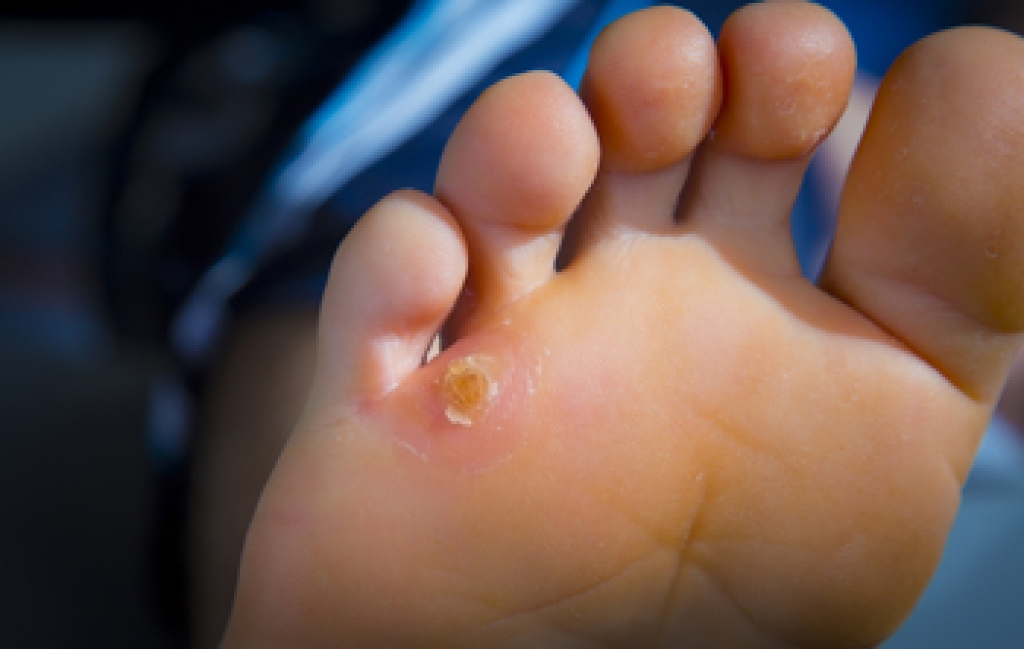
A blister is a fluid-filled bubble that forms on the skin.  Most often these blisters are caused by one toe repeatedly rubbing against another toe or the lining of a shoe and irritating the skin. These are referred to as friction or pinch blisters and can typically be treated at home. Wearing shoes that fit properly, keeping feet clean and dry, and not walking barefoot in warm, humid areas can help prevent friction blisters from forming.  It is important not to pop or pick at a blister as it can become infected, but if it has broken, toes should be soaked in clean, warm water and Epsom salts. If you are unsure which type of blister has formed, you suspect an infection, or if the friction blister is not healing within a reasonable time, it is suggested you consult with a podiatrist to have it evaluated, treated, and to learn how the formation of your blisters can be prevented.

Blisters may appear as a single bubble or in a cluster. They can cause a lot of pain and may be filled with pus, blood, or watery serum. If your feet are hurting, contact Cary Golub, DPM of New York. Our doctor can provide the care you need to keep you pain-free and on your feet.

Foot Blisters

Foot blisters are often the result of friction. This happens due to the constant rubbing from shoes, which can lead to pain.

What Are Foot Blisters?

A foot blister is a small fluid-filled pocket that forms on the upper-most layer of the skin. Blisters are filled with clear fluid and can lead to blood drainage or pus if the area becomes infected.

Symptoms

(Blister symptoms may vary depending on what is causing them)

  • Bubble of skin filled with fluid
  • Redness
  • Moderate to severe pain
  • Itching

Prevention & Treatment

In order to prevent blisters, you should be sure to wear comfortable shoes with socks that cushion your feet and absorb sweat. Breaking a blister open may increase your chances of developing an infection. However, if your blister breaks, you should wash the area with soap and water immediately and then apply a bandage to the affected area. If your blisters cause severe pain it is important that you call your podiatrist right away.

If you have any questions, please feel free to contact our offices located in Williston Park, and Long Beach, NY . We offer the newest diagnostic and treatment technologies for all your foot care needs.
Read more about Blisters on the Feet

Are Flip-Flops Bad for My Feet?

As summer nears, many of us want to go barefoot or wear flip-flops rather than closed-toed shoes and socks. Flip-flops are easy to grab and wear, can feel cool, and help with healing foot problems requiring less restriction of the feet. Their breathability can also help prevent foot infections. However, there are downsides to wearing flip-flops which generally involve their lack of padding and support. Flip-flops can be worn occasionally with no problem, but they do not absorb shock, can be dangerous in certain terrains, cause blisters from the Y strap rubbing against the skin, and negatively affect the biomechanics of the body because the stride is toe to heel versus the opposite usual stride. Wearing flip-flops can lead to pain in the back, hips, legs, and lower joints and cause other foot conditions like flat feet and plantar fasciitis. The obvious solution is to use care in wearing flip-flops and pay attention to what your feet may be telling you.  If you have over-worn your flip-flops and are having problems with your feet as a result, consult with a podiatrist to check for problems and obtain a treatment regimen.

Flip-flops are not always the best choice of footwear. If you have any concerns about your feet or ankles, contact Cary Golub, DPM from New York. Our doctor will assist you with all of your foot and ankle needs.

Flip-Flops and Feet

When the weather starts warming up, people enjoy wearing flip-flops.  Flip-flops are comfortable, stylish, and easy to slip on and off; they're perfect for any summer beach goer.  However, these shoes can cause harm to the feet.

How Can Flip-Flops Affect Me Long-Term?

  • Ankle problems
  • Hip problems
  • Lower back problems
  • Pain in the balls of the feet
  • Problems with foot arches
  • Changes in the way you walk

Are There Injuries Associated with Flip-Flops?

Yes.  Since flip-flops are relatively weak and do not provide the same amount of support as sneakers, people who wear flip-flops regularly are more susceptible to injuries. On top of that, the open nature of the shoe makes your feet more prone to other problems, such as cuts and even infections.  Common injuries and ailments include:

  • Sprained ankles
  • Blisters
  • Infections
  • Cuts and Scrapes

I like Wearing Flip-Flops. Are There Safe Alternatives?

When buying flip-flops, try to find ones that have sturdy soles and that are made of high-quality materials that will support for your feet.  These flip-flops will cost more but will also last longer as a result.

If you have any questions, please feel free to contact our offices located in Williston Park, and Long Beach, NY . We offer the newest diagnostic and treatment technologies for all your foot care needs.
Read more about Flip Flops and Feet

Connect With Us