Signs of an Achilles Tendon Rupture

An Achilles tendon rupture is a serious injury that requires immediate attention. Common signs include a sudden, sharp pain in the back of the ankle or calf, often described as feeling like a direct hit or a snap. Swelling and bruising typically develop quickly surrounding the heel and lower leg. Individuals may also experience difficulty while walking, standing on tiptoe, or pushing off the injured foot. A noticeable gap or indentation above the heel is a clear indication of a rupture. Weakness in the affected leg and a decrease in range of motion are also symptoms. If you have pain in the back of the ankle, it is suggested that you confer with a podiatrist who can diagnose and treat Achilles tendon injuries.

Achilles tendon injuries need immediate attention to avoid future complications. If you have any concerns, contact Cary Golub, DPM of New York. Our doctor can provide the care you need to keep you pain-free and on your feet.

What Is the Achilles Tendon?

The Achilles tendon is a tendon that connects the lower leg muscles and calf to the heel of the foot. It is the strongest tendon in the human body and is essential for making movement possible. Because this tendon is such an integral part of the body, any injuries to it can create immense difficulties and should immediately be presented to a doctor.

What Are the Symptoms of an Achilles Tendon Injury?

There are various types of injuries that can affect the Achilles tendon. The two most common injuries are Achilles tendinitis and ruptures of the tendon.

Achilles Tendinitis Symptoms

  • Inflammation
  • Dull to severe pain
  • Increased blood flow to the tendon
  • Thickening of the tendon

Rupture Symptoms

  • Extreme pain and swelling in the foot
  • Total immobility

Treatment and Prevention

Achilles tendon injuries are diagnosed by a thorough physical evaluation, which can include an MRI. Treatment involves rest, physical therapy, and in some cases, surgery. However, various preventative measures can be taken to avoid these injuries, such as:

  • Thorough stretching of the tendon before and after exercise
  • Strengthening exercises like calf raises, squats, leg curls, leg extensions, leg raises, lunges, and leg presses

If you have any questions please feel free to contact our offices located in Williston Park, and Long Beach, NY . We offer the newest diagnostic tools and technology to treat your foot and ankle needs.


Read more about The Causes, Types, and Treatments of Achilles Tendon Injuries

Understanding Sever's Disease in Children

Sever's disease, medically known as calcaneal apophysitis, is a common cause of heel pain in growing children. This condition occurs when the growth plate in the heel becomes inflamed due to repetitive stress or excessive physical activity. Common causes include participation in sports that involve running or jumping, such as soccer or basketball. Symptoms of Sever's disease include pain and tenderness in the heel, swelling, and difficulty walking. Preventing this condition involves ensuring children wear properly fitting, supportive footwear and encouraging them to stretch before physical activity. Limiting activities that place excessive strain on the heel can also help. Early detection and management are vital to prevent long-term discomfort. If your child has heel pain, it is suggested that you consult a podiatrist. 

Sever's disease often occurs in children and teens. If your child is experiencing foot or ankle pain, see Cary Golub, DPM from New York. Our doctor can treat your child’s foot and ankle needs.

Sever’s Disease

Sever’s disease is also known as calcaneal apophysitis, which is a medical condition that causes heel pain I none or both feet. The disease is known to affect children between the ages of 8 and 14.

Sever’s disease occurs when part of the child’s heel known as the growth plate (calcaneal epiphysis) is attached to the Achilles tendon. This area can suffer injury when the muscles and tendons of the growing foot do not keep pace with bone growth. Therefore, the constant pain which one experiences at the back of the heel will make the child unable to put any weight on the heel. The child is then forced to walk on their toes.

Symptoms

Acute pain – Pain associated with Sever’s disease is usually felt in the heel when the child engages in physical activity such as walking, jumping and or running.

Highly active – Children who are very active are among the most susceptible in experiencing Sever’s disease, because of the stress and tension placed on their feet.

If you have any questions, please feel free to contact our offices located in Williston Park, and Long Beach, NY . We offer the newest diagnostic and treatment technologies for all your foot care needs.

Read more about Sever's Disease

Heel Pain Can Be Treated!

Do you suffer from heel pain when you get up in the morning? If so, you should seek professional help and have a proper diagnosis performed. Heel pain can be caused by several different foot-related conditions.

Common Symptoms of Gout

Gout is a form of arthritis characterized by sudden, intense pain, often in the big toe, but it can affect other joints as well. The pain is typically described as sharp, throbbing, or excruciating, making even the lightest touch unbearable. In addition to the pain, affected joints often become swollen, red, and warm to the touch. These symptoms can come on suddenly, often at night, and can last for several days or even weeks. During a gout attack, movement of the affected joint is extremely painful, and the skin around the joint can appear shiny and stretched. Some individuals might also experience a lingering discomfort even after the severe pain subsides, along with decreased mobility in the joint. Chronic gout can lead to persistent pain and can cause damage to the joints over time. If you have pain in your big toe, it is strongly suggested that you consult a podiatrist.

Gout is a foot condition that requires certain treatment and care. If you are seeking treatment, contact Cary Golub, DPM from New York. Our doctor will treat your foot and ankle needs.

What Is Gout?

Gout is a type of arthritis caused by a buildup of uric acid in the bloodstream. It often develops in the foot, especially the big toe area, although it can manifest in other parts of the body as well. Gout can make walking and standing very painful and is especially common in diabetics and the obese.

People typically get gout because of a poor diet. Genetic predisposition is also a factor. The children of parents who have had gout frequently have a chance of developing it themselves.

Gout can easily be identified by redness and inflammation of the big toe and the surrounding areas of the foot. Other symptoms include extreme fatigue, joint pain, and running high fevers. Sometimes corticosteroid drugs can be prescribed to treat gout, but the best way to combat this disease is to get more exercise and eat a better diet.

If you have any questions, please feel free to contact our offices located in Williston Park, and Long Beach, NY . We offer the newest diagnostic and treatment technologies for all your foot care needs.

Read more about Everything You Need to Know About Gout

Causes of Swollen Feet and Ankles

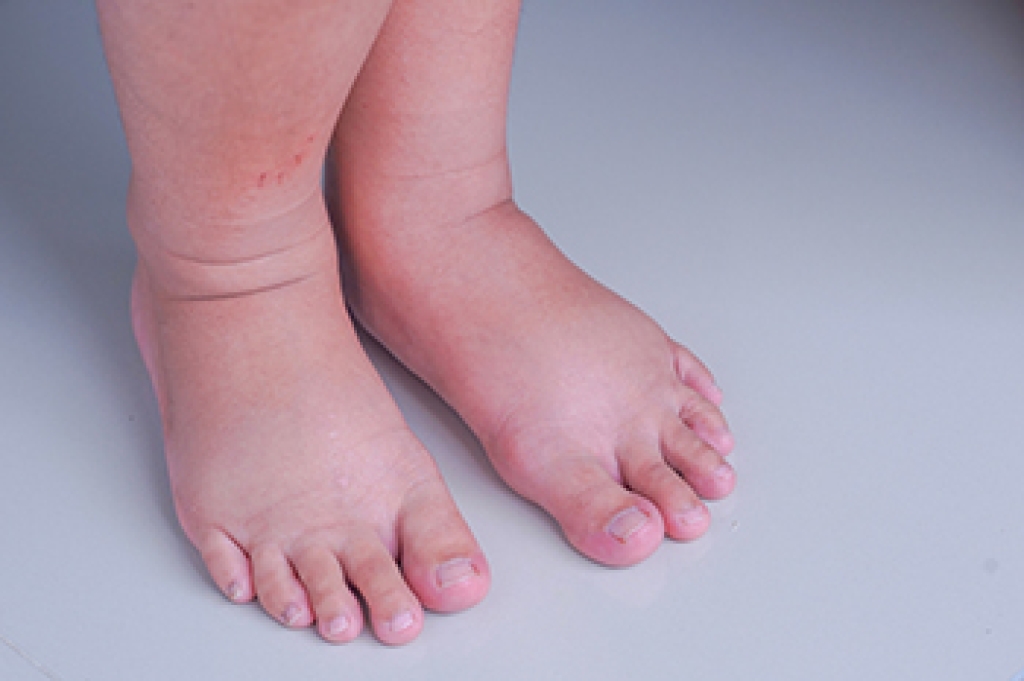
Swelling in the feet and ankles can signal underlying health issues that may need attention. Edema, or fluid buildup, is a common cause of swelling, particularly in older individuals. Gravity contributes to this condition, making the lower body areas more prone to noticeable swelling. Causes of foot swelling include excessive weight, blood clots, infections, and venous insufficiency. Among other causes are injuries, surgeries, and certain medications like antidepressants, blood pressure drugs, hormones, and steroids. Lifestyle factors, such as long flights, as well as prolonged standing and hormonal changes during pregnancy can also trigger swelling. Some cases of edema can be managed with leg elevation, exercise, a low-salt diet, and wearing support stockings. However, it's extremely important to seek medical attention if swelling is severe, accompanies shortness of breath or chest pain, or doesn't improve with self-care measures. If you're experiencing persistent swelling in the feet or ankles, it is suggested that you make an appointment with a podiatrist for an exam. This foot doctor will conduct a thorough exam and may recommend diagnostic tests to determine the underlying cause.

Swollen feet can be a sign of an underlying condition. If you have any concerns, contact Cary Golub, DPM of New York. Our doctor can provide the care you need to keep you pain-free and on your feet.

Swollen feet are a common ailment among pregnant women and people who stand or sit for extended periods. Aging may increase the possibility of swollen feet and patients who are obese often notice when their feet are swelling too. There may be medical reasons why swollen feet occur:

  • Phlebitis - A condition that causes the veins to become inflamed and can also cause leg pain.
  • Liver disease - This may lead to low blood levels of albumin which is a protein. This can cause fluid in the blood to pass into the tissues and several areas of the body can become swollen.
  • Heart failure - When the heart doesn’t pump properly the blood that is normally pumped back to the heart can pool in the veins of the legs causing swollen feet.
  • Kidney disease - One of the main functions of the kidneys is releasing excess fluid in the body. This type of condition can make it difficult for the kidneys to function properly, and as a result the feet may become swollen.
  • Deep-vein thrombosis (DVT)- This is a serious condition where blood clots form in the veins of the legs. They can block the return of blood from the legs to the heart which may cause the feet to swell. It is important to be treated by a podiatrist if this condition is present.

Swollen feet can also be caused by bone and tendon conditions, including fractures, arthritis, and tendinitis. Additionally, there may be skin and toenail conditions and an infection may cause the feet to swell. Patients who take medicine to treat high blood pressure may be prone to getting swollen feet. 

Many patients elevate their feet to help relieve the swelling and this is generally a temporary remedy. When a podiatrist is consulted the reason behind the swelling can be uncovered and subsequently treated.

If you have any questions please contact our offices located in Williston Park, and Long Beach, NY . We offer the newest diagnostic and treatment technologies for all your foot and ankle needs.

Read more about Swelling of the Feet

Connect With Us