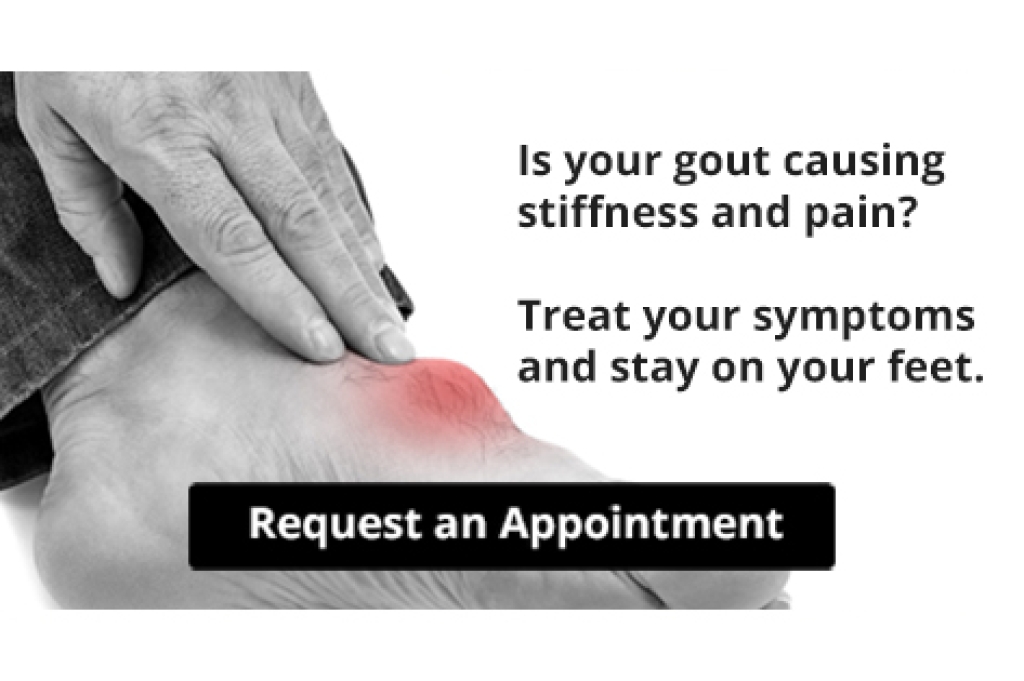
Gout is a painful, inflammatory form of arthritis. Those affected will typically feel an intense stiffness in the joints of their feet, particularly in the big toe. Schedule a visit to learn about how gout can be managed and treated.
Gout is a painful, inflammatory form of arthritis. Those affected will typically feel an intense stiffness in the joints of their feet, particularly in the big toe. Schedule a visit to learn about how gout can be managed and treated.
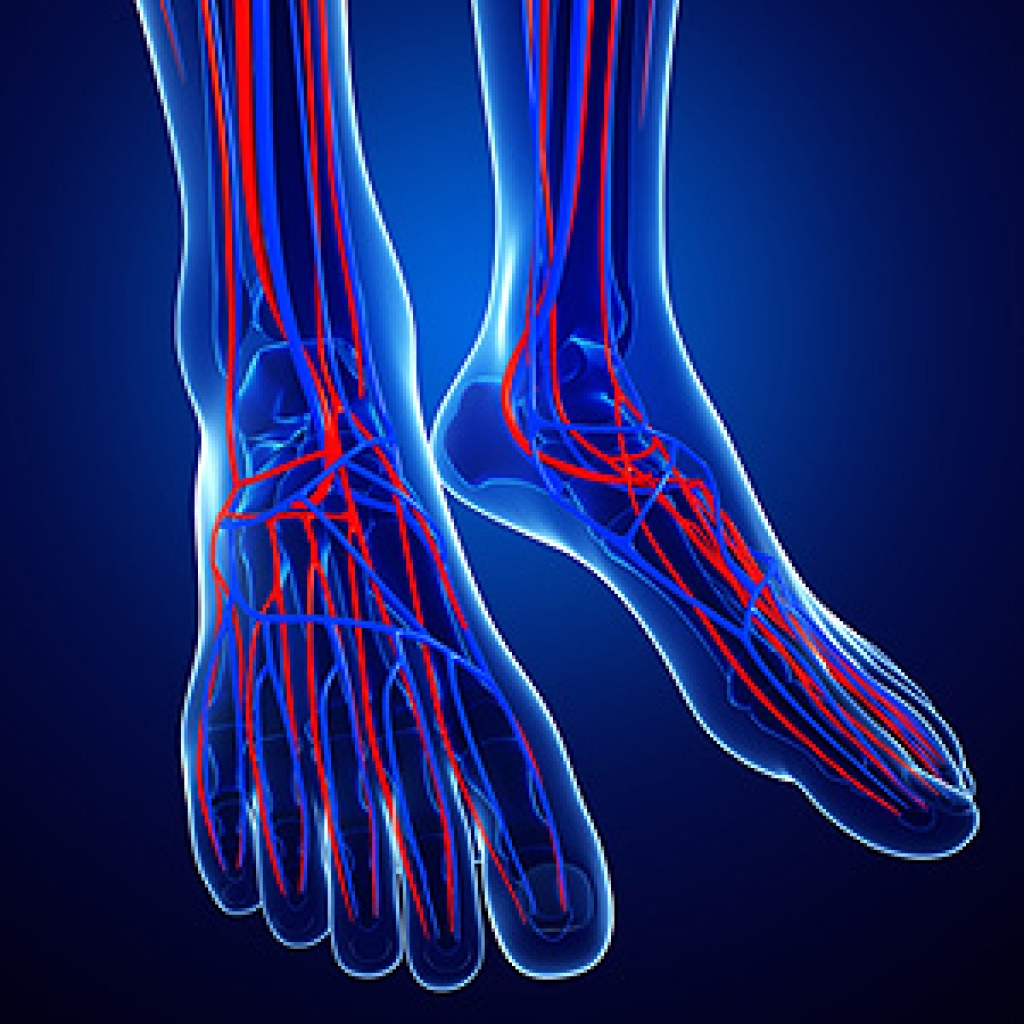
Peripheral artery disease (PAD) is a condition that causes poor circulation in the lower limbs due to blockages in the blood vessels that supply blood to this area. The most common symptoms of PAD are pain, numbness, heaviness, or achiness in the leg muscles, especially when walking or climbing stairs. You may also notice a weak or absent pulse in the legs and feet, slow-healing wounds on the feet, a pale or bluish color to the skin, a lower temperature in one leg than the other, poor nail growth on the affected foot, and poor hair growth on the affected leg. However, it is worth noting that many people who have PAD have no noticeable symptoms. For this reason, it is important to receive regular screenings for PAD from a podiatrist, especially if you have certain risk factors, such as being a smoker, or having diabetes, high blood pressure, or heart disease.
Peripheral artery disease can pose a serious risk to your health. It can increase the risk of stroke and heart attack. If you have symptoms of peripheral artery disease, consult with Cary Golub, DPM from New York. Our doctor will assess your condition and provide you with quality foot and ankle treatment.
Peripheral artery disease (PAD) is when arteries are constricted due to plaque (fatty deposits) build-up. This results in less blood flow to the legs and other extremities. The main cause of PAD is atherosclerosis, in which plaque builds up in the arteries.
Symptoms
Symptoms of PAD include:
It is important to note that a majority of individuals never show any symptoms of PAD.
Diagnosis
While PAD occurs in the legs and arteries, Podiatrists can diagnose PAD. Podiatrists utilize a test called an ankle-brachial index (ABI). An ABI test compares blood pressure in your arm to you ankle to see if any abnormality occurs. Ultrasound and imaging devices may also be used.
Treatment
Fortunately, lifestyle changes such as maintaining a healthy diet, exercising, managing cholesterol and blood sugar levels, and quitting smoking, can all treat PAD. Medications that prevent clots from occurring can be prescribed. Finally, in some cases, surgery may be recommended.
If you have any questions, please feel free to contact our offices located in Williston Park, and Long Beach, NY . We offer the newest diagnostic and treatment technologies for all your foot care needs.
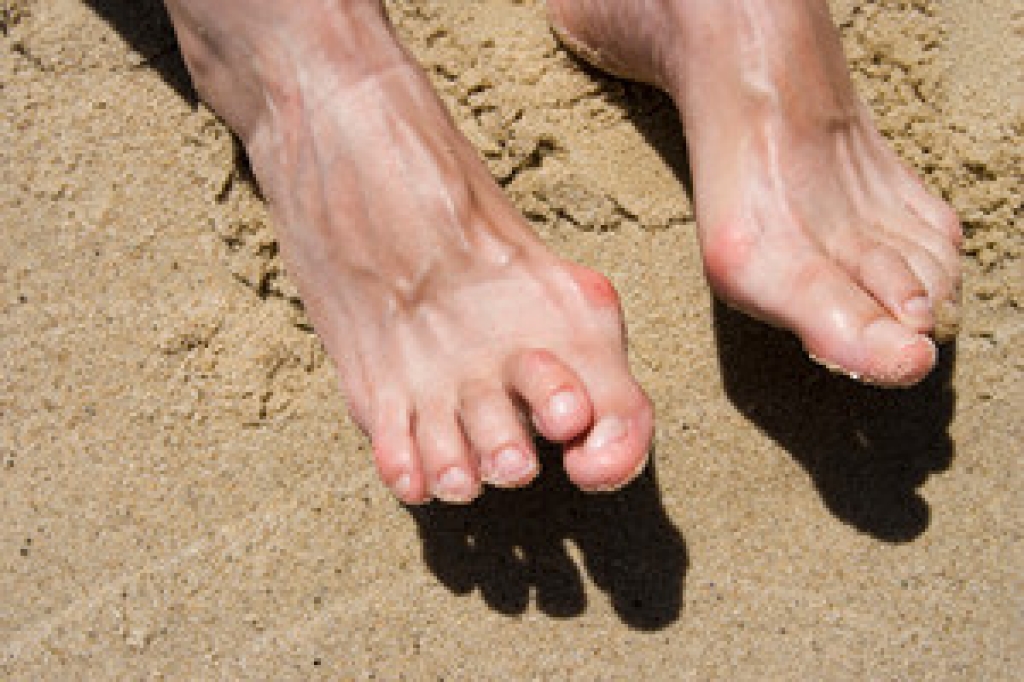 The foot condition that is known as hammertoe is often noticeable, and easily diagnosed. It typically affects the middle joints of the second or third toe, causing the joint to bend upward and the toes to bend downward. This condition often develops gradually due to genetic factors and from wearing shoes that do not have adequate room for the toes to move freely in. It is helpful to wear a larger size shoe that can accommodate the hammertoe, and mild relief may be found when a protective pad is worn over the affected joint. Corns may form on the top of the joint from friction that can come from the shoes that are worn. If you have hammertoe, it is strongly suggested that you are under the care of a podiatrist who can properly diagnose and treat this condition.
Hammertoe
Hammertoes can be a painful condition to live with. For more information, contact Cary Golub, DPM from New York. Our doctor will answer any of your foot- and ankle-related questions.
Hammertoe is a foot deformity that affects the joints of the second, third, fourth, or fifth toes of your feet. It is a painful foot condition in which these toes curl and arch up, which can often lead to pain when wearing footwear.
Symptoms
Causes
Genetics – People who are genetically predisposed to hammertoe are often more susceptible
Arthritis – Because arthritis affects the joints in your toes, further deformities stemming from arthritis can occur
Trauma – Direct trauma to the toes could potentially lead to hammertoe
Ill-fitting shoes – Undue pressure on the front of the toes from ill-fitting shoes can potentially lead to the development of hammertoe
Treatment
Orthotics – Custom made inserts can be used to help relieve pressure placed on the toes and therefore relieve some of the pain associated with it
Medications – Oral medications such as anti-inflammatories or NSAIDs could be used to treat the pain and inflammation hammertoes causes. Injections of corticosteroids are also sometimes used
Surgery – In more severe cases where the hammertoes have become more rigid, foot surgery is a potential option
If you have any questions, please feel free to contact our offices located in Williston Park, and Long Beach, NY . We offer the newest diagnostic and treatment technologies for all your foot care needs.
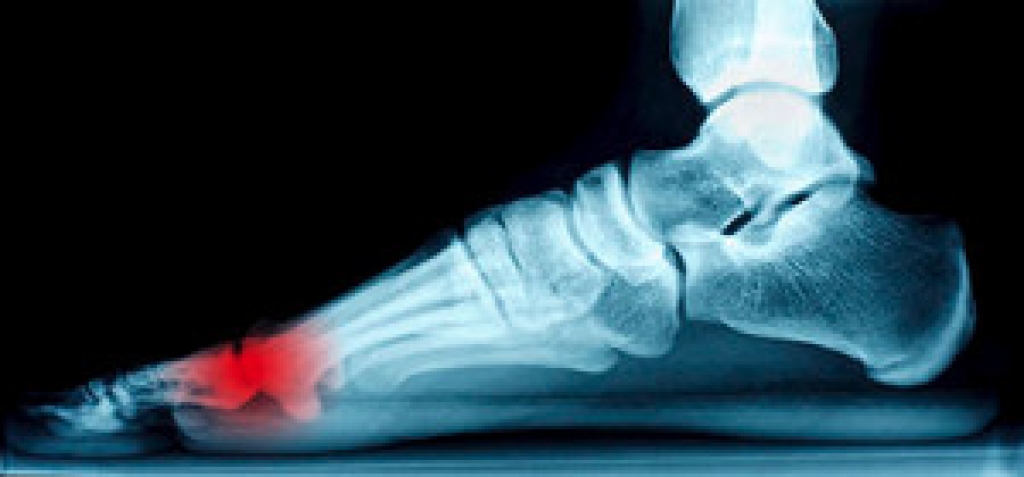 Sesamoiditis is a condition in which the tendons attached to the sesamoid bones, located on the underside of the foot, become inflamed. Sesamoiditis causes foot pain in the ball of the foot, under the big toe. The pain usually develops gradually. Sesamoiditis may also cause swelling and bruising on the underside of the foot and difficulty straightening or bending the big toe. A podiatrist can diagnose this condition through a physical examination and imaging studies, such as X-rays. If you are experiencing foot pain, it is recommended that you consult with a podiatrist.
Sesamoiditis is an unpleasant foot condition characterized by pain in the balls of the feet. If you think you’re struggling with sesamoiditis, contact Cary Golub, DPM of New York. Our doctor will treat your condition thoroughly and effectively.
Sesamoiditis
Sesamoiditis is a condition of the foot that affects the ball of the foot. It is more common in younger people than it is in older people. It can also occur with people who have begun a new exercise program, since their bodies are adjusting to the new physical regimen. Pain may also be caused by the inflammation of tendons surrounding the bones. It is important to seek treatment in its early stages because if you ignore the pain, this condition can lead to more serious problems such as severe irritation and bone fractures.
Causes of Sesamoiditis
Treatment for sesamoiditis is non-invasive and simple. Doctors may recommend a strict rest period where the patient forgoes most physical activity. This will help give the patient time to heal their feet through limited activity. For serious cases, it is best to speak with your doctor to determine a treatment option that will help your specific needs.
If you have any questions, please feel free to contact our offices located in Williston Park, and Long Beach, NY . We offer the newest diagnostic and treatment technologies for all your foot care needs.
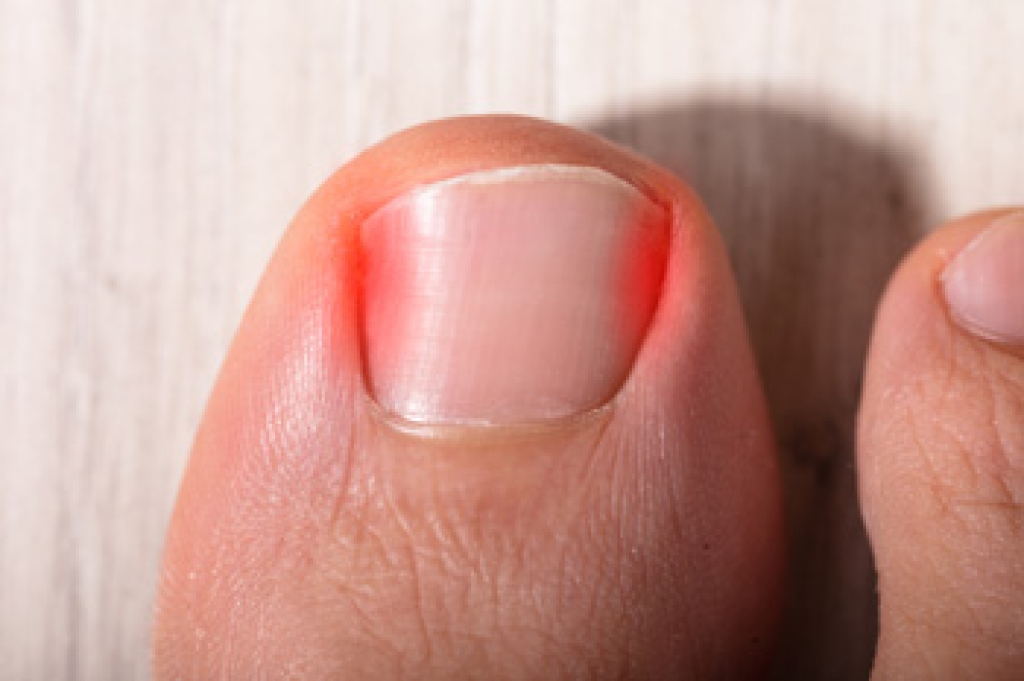 The medical condition that is referred to as an ingrown toenail can be accompanied by redness, swelling, and pain. It is an ailment that often affects the big toe, and occurs when the nail grows into the outer edge of the skin. Common reasons why this condition can occur include wearing shoes that do not have adequate room for the toes to move freely in or from a toe injury. Additionally, repeated activities that involve kicking a ball may cause ingrown toenails to develop. Relief may be found when the affected toe is soaked in warm water, followed by placing a small piece of cotton between the nail and the skin. If your ingrown toenail has become infected, it is strongly recommended that you seek the counsel of a podiatrist who can properly treat this condition.
Ingrown toenails can become painful if they are not treated properly. For more information about ingrown toenails, contact Cary Golub, DPM of New York. Our doctor can provide the care you need to keep you pain-free and on your feet.
Ingrown Toenails
Ingrown toenails occur when a toenail grows sideways into the bed of the nail, causing pain, swelling, and possibly infection.
Causes
Prevention
Because ingrown toenails are not something found outside of shoe-wearing cultures, going barefoot as often as possible will decrease the likeliness of developing ingrown toenails. Wearing proper fitting shoes and using proper cutting techniques will also help decrease your risk of developing ingrown toenails.
Treatment
Ingrown toenails are a very treatable foot condition. In minor cases, soaking the affected area in salt or antibacterial soaps will not only help with the ingrown nail itself, but also help prevent any infections from occurring. In more severe cases, surgery is an option. In either case, speaking to your podiatrist about this condition will help you get a better understanding of specific treatment options that are right for you.
If you have any questions, please feel free to contact our offices located in Williston Park, and Long Beach, NY . We offer the newest diagnostic and treatment technologies for all your foot care needs.
Connect With Us
